-

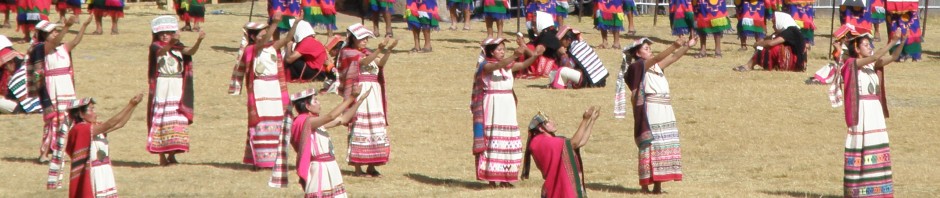
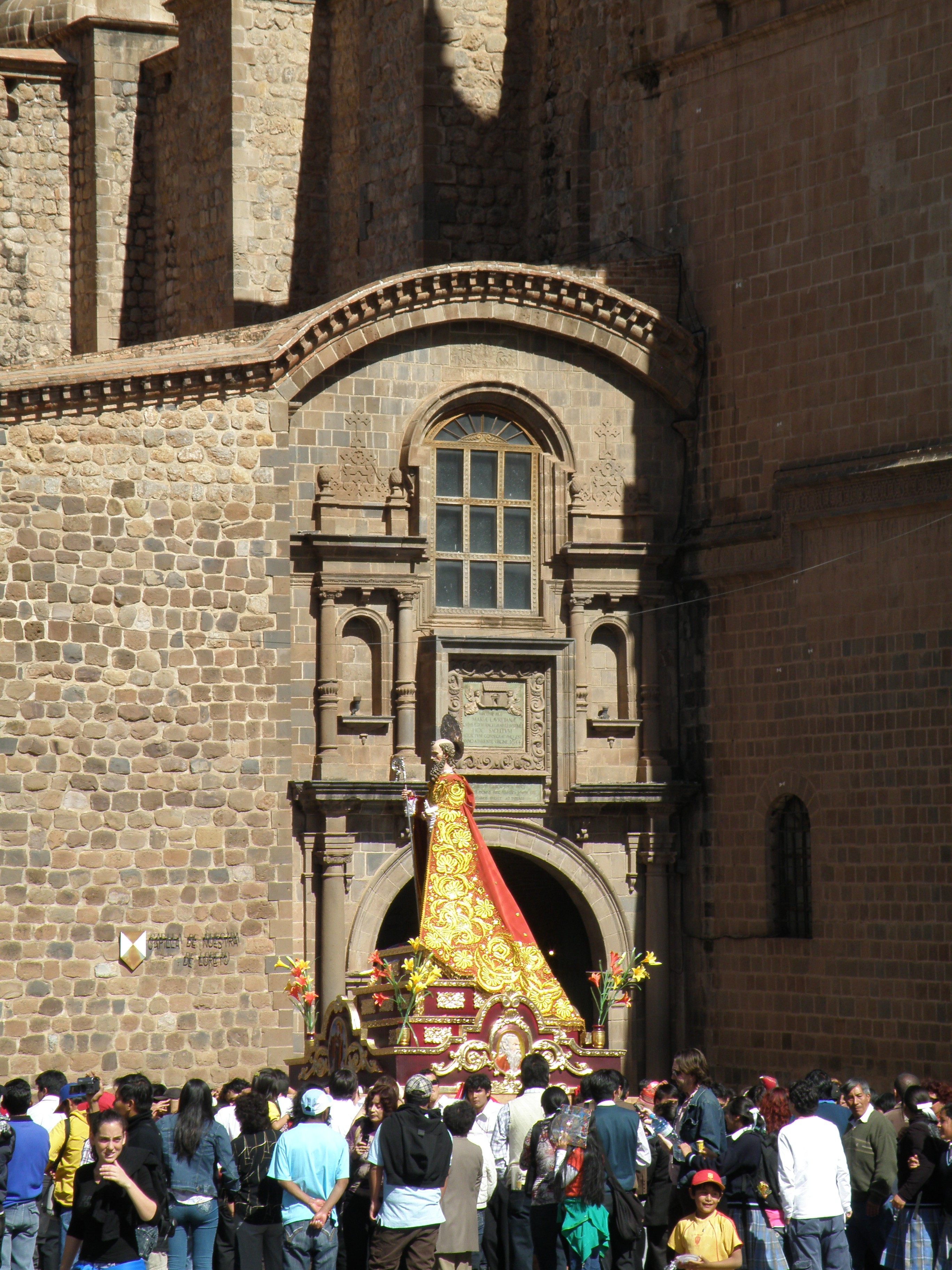
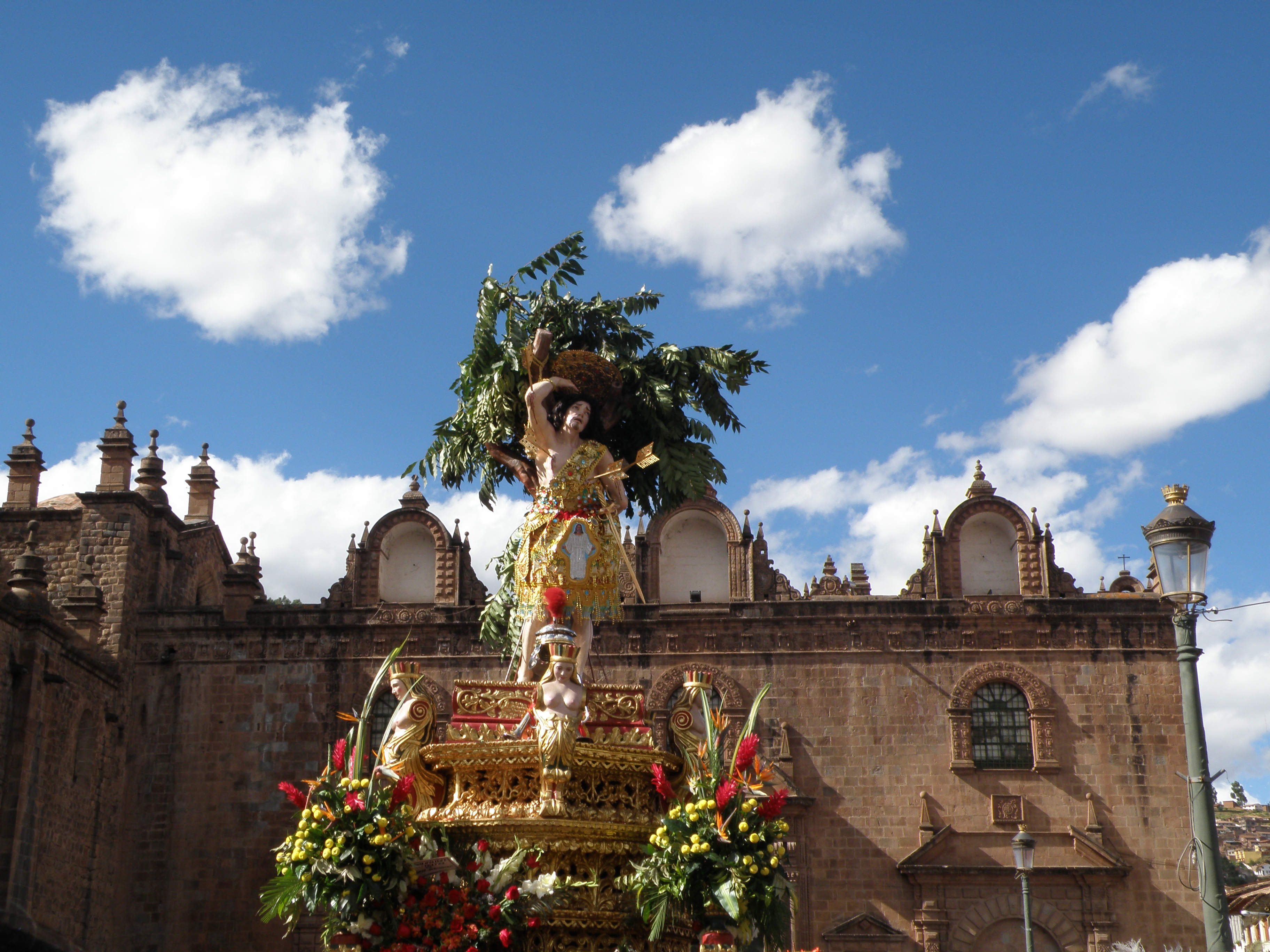
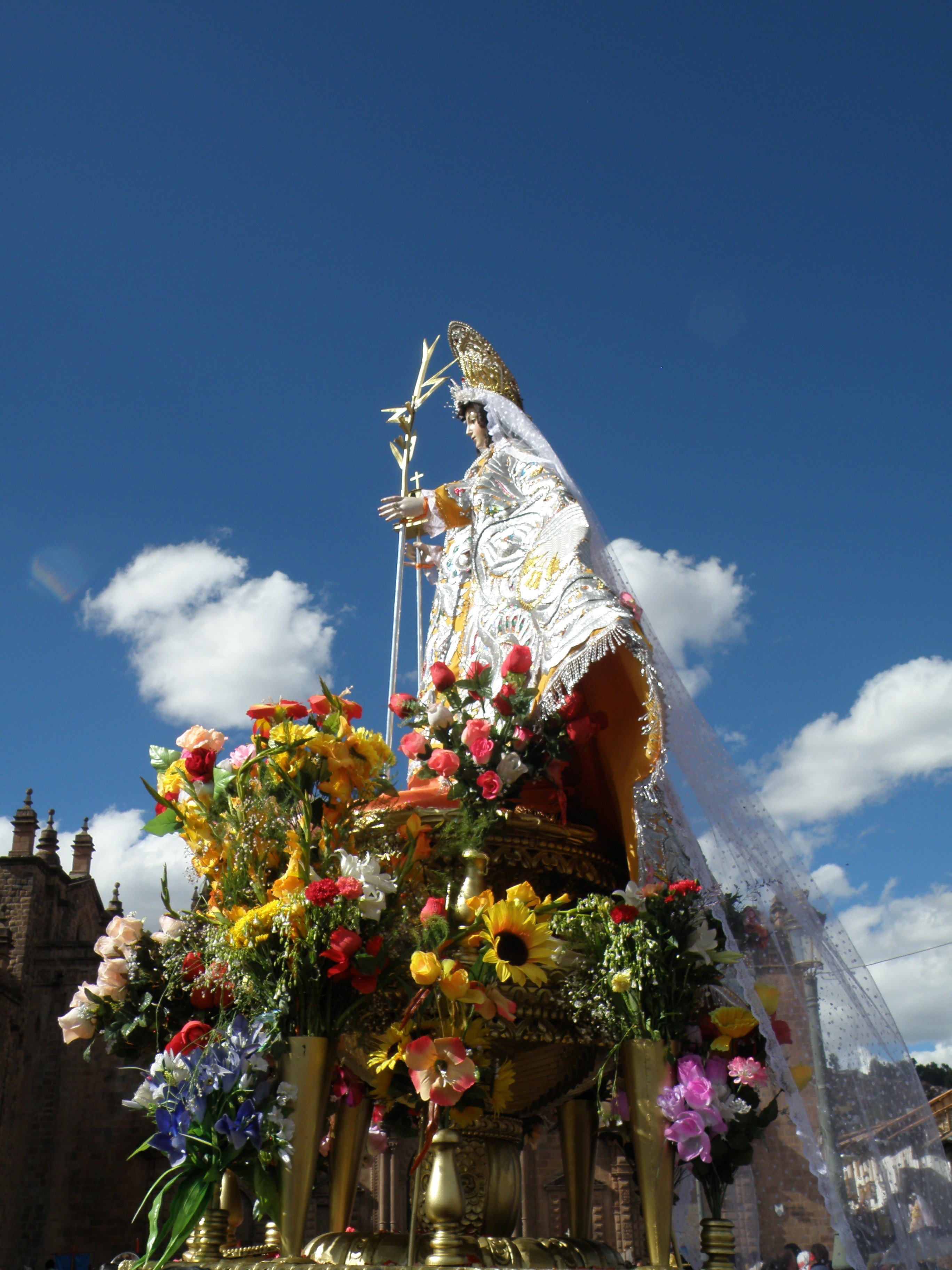
- Corpus Christi Festival



-
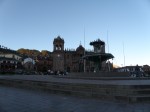
- Plaza de Armas, Cusco

-
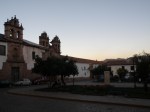
- Plazoleta de las Nazarenas, Cusco

-
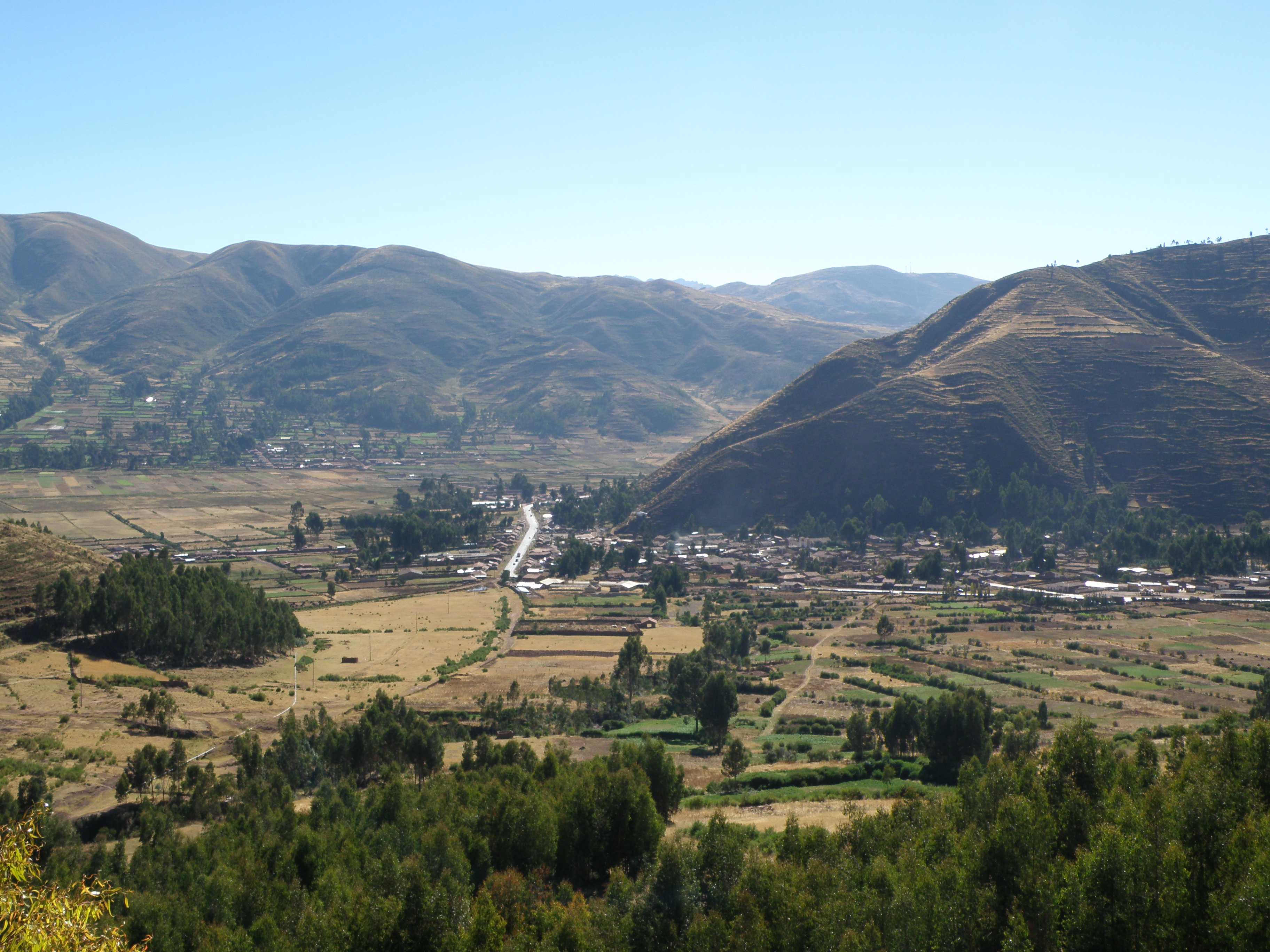
- Sacred Valley/Valle Sagrado

-

- Sacred Valley/Valle Sagrado

-

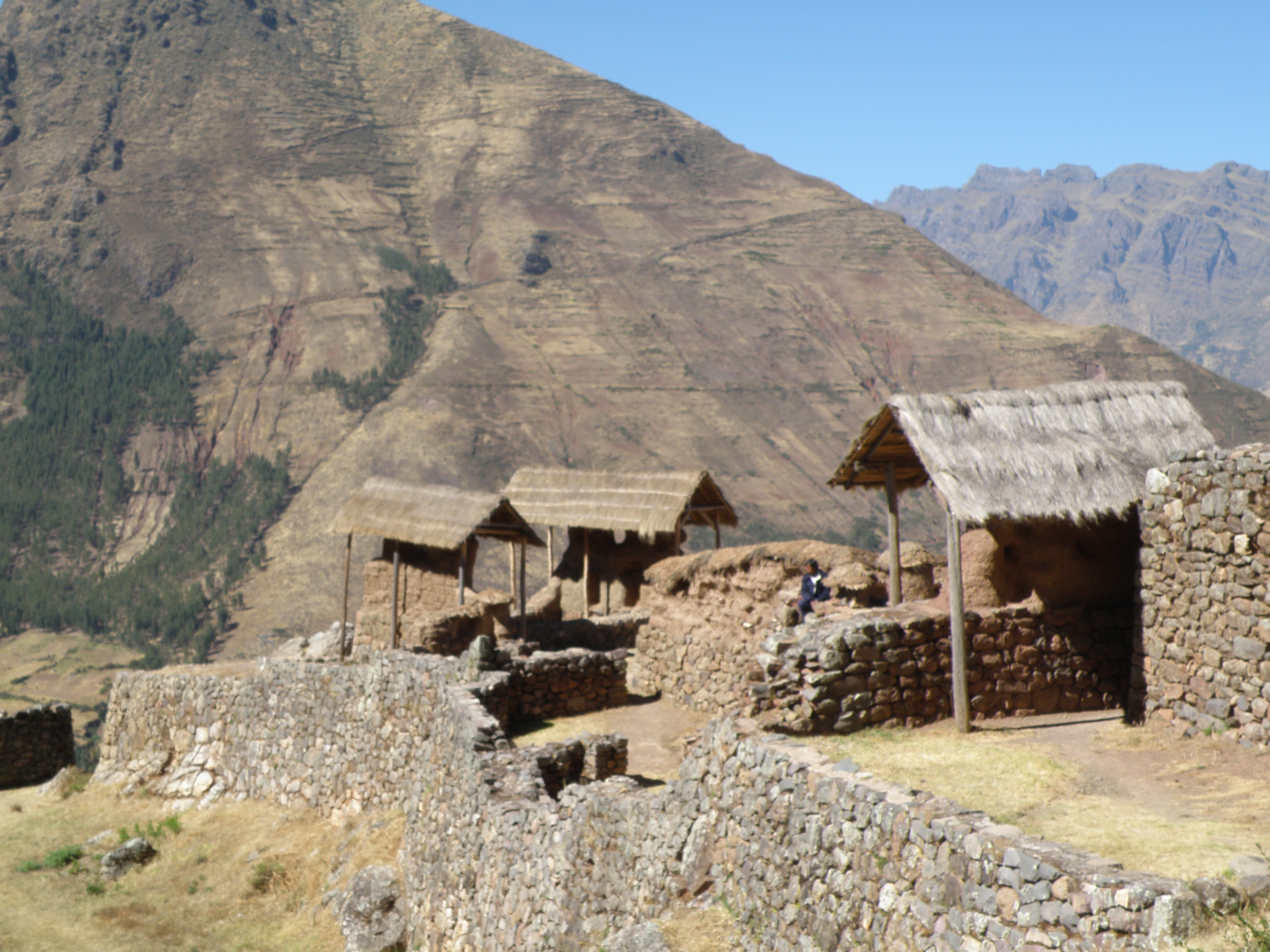
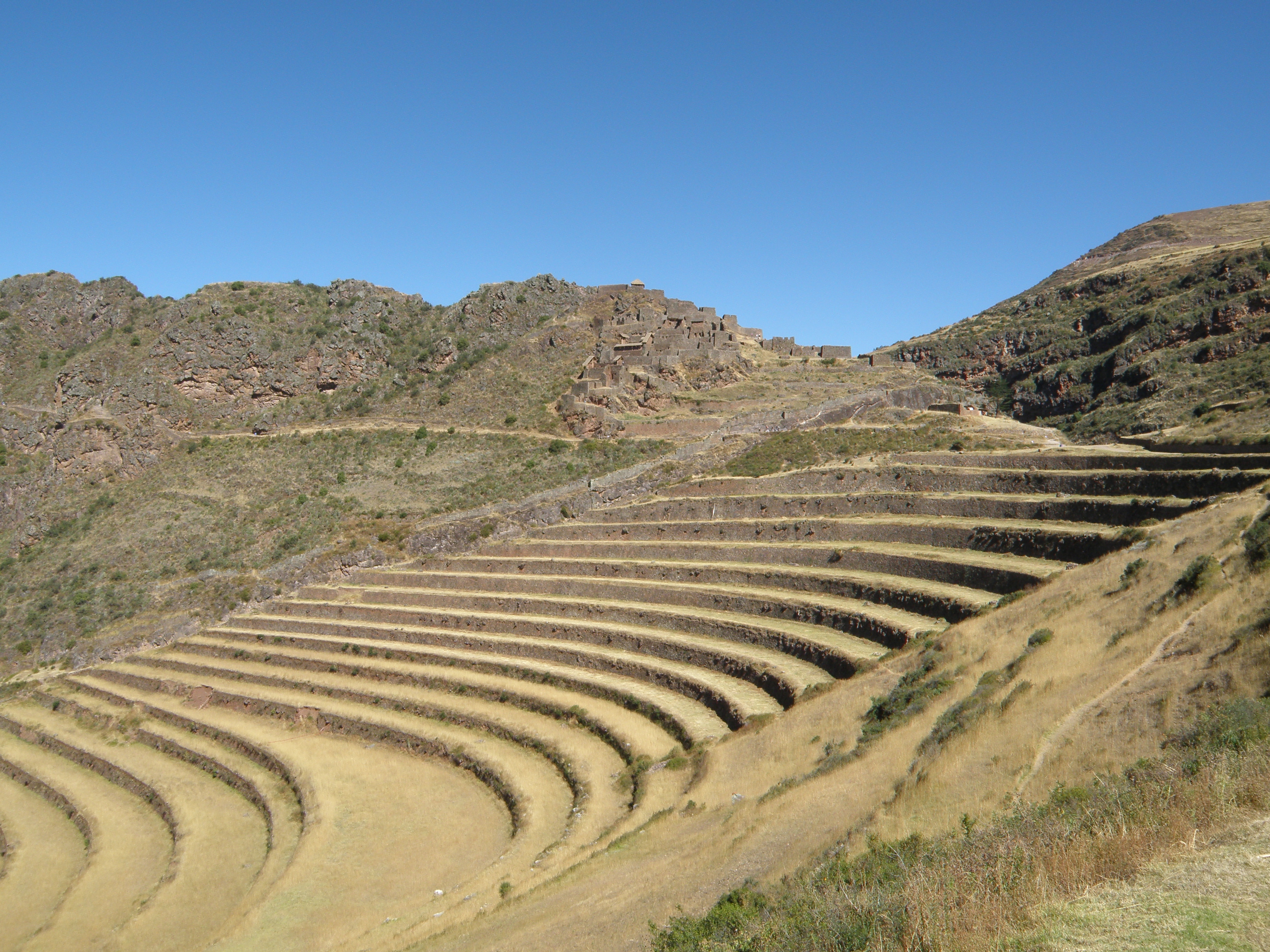
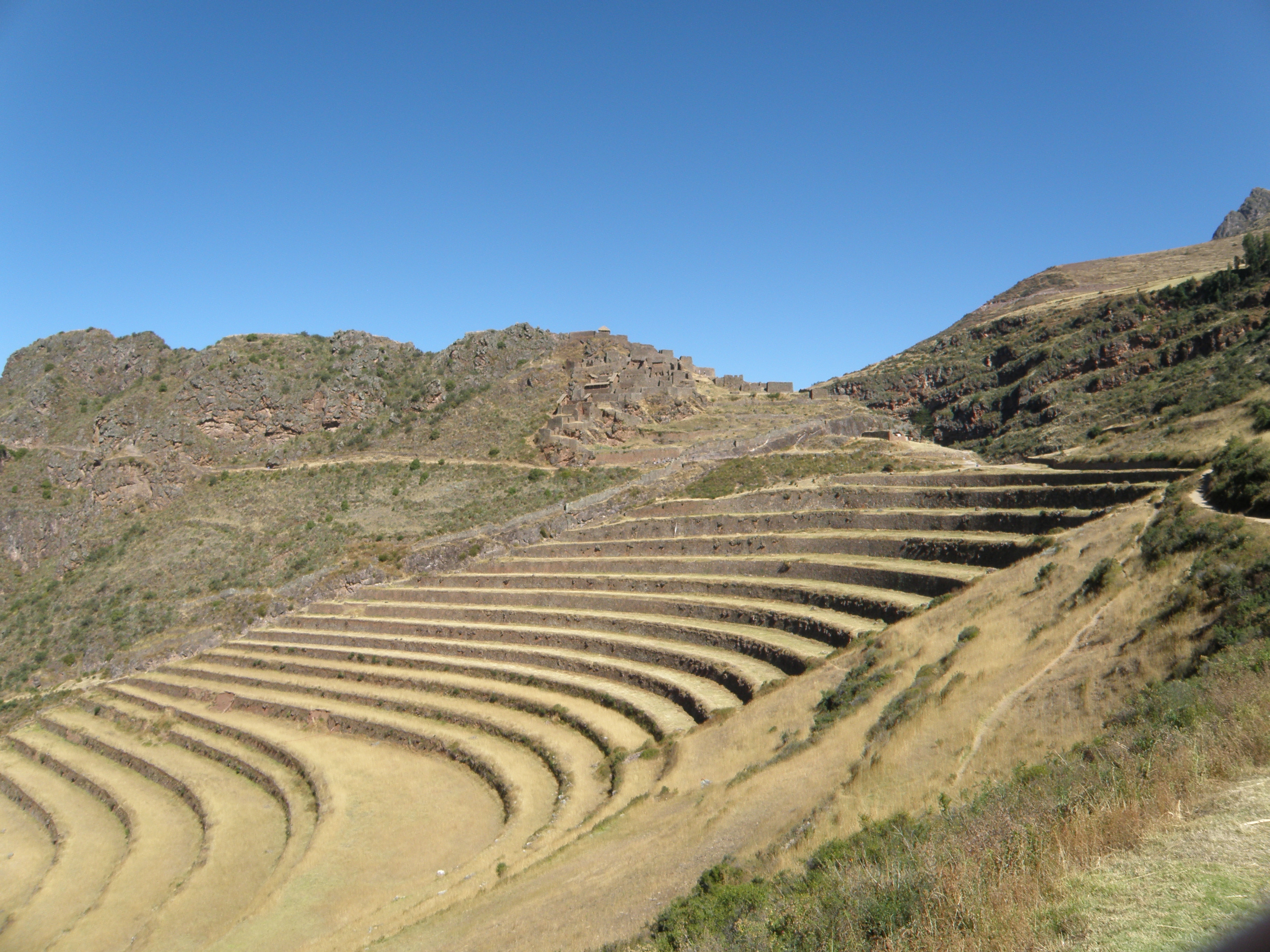
- Inca fortress above Pisac


-
- Pisac Sunday Market

-

- Ollantaytambo
-

- Ollantaytambo





-
- Ollantaytambo




-
- Traditional weavers in Chinchero

Chapter 15: Health and Hospital
Monday, June 7
Since Cameron’s departure I felt quite subdued and a little desolate. However, my return to Spanish class rewarded me with a big hug from Ana. She remarked that I looked a lot thinner. I felt comforted by her concerns. Social interaction as well as language study made this course such good value. We combined the studies between Complemento Indirecto and Complemento Directo.
On my way back to the hostel, I stopped to talk with Sabrina. She greeted me with a friendly touch on the arm and a beaming smile. I waited for Lourdes to arrive for the afternoon class. The clouds thickened as we left San Blas. Our taxi brought us to San Sebastian where a fairground was being dismantled after a weekend festival. At Plaza San Sebastian we witnessed a funeral’s closing procession. The congregation of mourners filed outside the big church to pay its final respects. The impressive turnout indicated the deceased was much loved, according to Lourdes. A tearful big crowd filled the streets as a brass band accompanied the march to a final resting place. It made for a sombre sight to match the gloomy skies.
I made my way back up to the Plaza de Armas feeling an acute sense of solitude. Back at the hostel I emailed the Daily Post Wales features editor with my Machu Picchu article. I enjoyed a cream of asparagus soup and lomo saltado (fried steak) dinner. The more food I had inside me the better I felt. I’d also bought a big bottle of Electrolight Sol Fresa (strawberry drink), a refreshing Lucozade type drink, from InkaFarma. Lourdes recommended the drink’s energy restorative properties.
It felt like winter in Cusco. We were approaching the Winter Solstice in the southern hemisphere. Despite the latitude, the nights were becoming increasingly cold given Cusco’s higher altitude. I was in bed early. I felt weak and exhausted and really needed to restore some semblance of strength.
Tuesday, June 8
I was out of sorts and feeling irritable. I had to run to the toilet before and after breakfast. After a really good lesson with Ana I spoke with John and mentioned my health. He said it sounded very much like I had a parasite infection and suggested I visit a clinic near to the school. Lourdes took me under her arm during our lesson and promised to take me to a clinic. She suggested an interlude to relax. We visited the Centro Artesenal Cusco where I spotted a fine looking blue and black alpaca cardigan. Lourdes laughed and asked why I was always buying azul (blue) clothes. We returned to the school. Ana really took to the cardigan.
Lourdes then took me to a street festival in the Santiago district, a more edgy neighbourhood. She quietly suggested I put my rucksack on my front as thousands thronged the streets. We then went to the San Jose Clinic close to Avenida de la Cultura and waited on the first floor for the doctor to call us in. The receptionist relayed information through Lourdes. She asked about insurance documents and confirmed a consultation would cost 70 soles.
The doctor ushered me in. After a chest examination and some questions, he kindly explained the likely issue. I was badly dehydrated and the likelihood cause was a parasite infection. When I explained my symptoms the doctor reckoned I should have come in a fortnight earlier, and certainly not gone on a 60 mile trek to Machu Picchu! He recommended I immediately return for a short stay in the clinic hospital so proper tests could be carried out. It was likely I was infected with Giardia, a more serious type of infection. But the doctor urged me not to worry. I had lost a lot of weight. Stepping onto the scales, I was hovering around 62 kg. I remembered being 72 kg at the start of the year.
Lourdes promised to tell Ana. She said they’d both visit me and continue with bedside Spanish lessons! I briefly returned to the hostel to pack a night bag. Rosa told me not to worry about the charge for the room. So, I returned to the clinic. I was allocated my own room, number 606 on the sixth floor in a very new glass fronted building. My sense of solitude heightened but a reassuring feeling gradually took hold. I was in the best place to finally deal with this sickness.
After taking a shower, I began the first of many tests. Marta, the senior nurse, took my blood pressure and samples. She then connected me to the suero fisiological (drip). I had to provide a stool sample but after the last two days I felt so empty. Lisbet, a petite young nurse, then called in. With a soothingly gentle toned voice, she asked a few questions about my symptoms over the past few weeks. As the visiting doctor later confirmed, the infection source was either a water-borne issue, fruit, or salad. I felt poorly and struggled to rest as night-time descended.
Wednesday, June 9
I had to press the buzzer three times for the feeder to be readjusted overnight. Tiny air pockets slowed down the fluid flow through the tubes and blood leaked out onto my lower left arm. However, seven litres of suero had been pumped into my arm since Tuesday evening and I knew the infection was being tackled at long last.
The first call of the day came at 6.45am. A nurse brought me a light breakfast of bread, jam, and coca tea. Then another lady came in to make my bed, clean the bathroom and change my towels. My stomach was okay, and I’d provided a sample first thing. A stream of nurses and then a doctor called. He confirmed that I had the giardia parasite infection, a more difficult one to clear because it had lodged itself in my upper intestines. He felt my stomach, urging me to relax my body and asking me where, if anywhere, I felt pain, and right I did, just under the right side rib cage.
Diana, an administrator, called in to take my insurance documents and passport and I signed a consent form. I politely refused to have any calls made to friends or family back home. The hospital staff were happy for me to continue my Spanish lessons, and Ana called in at 10am. We sat around the table by a large front window and continued with my grammatical progress. Lourdes then called and we ran through some further practical tips as I started my seven day course of tablets. I was on all sorts of medication and drip feeds of Triconidazol Forte (Tinidazol), Ceftriaxona, Cloruro de Potasio, Cloruro de Sodio and Ranitidine. More litres of suero and Dextrosa were being pumped into me. Nutritional advice followed, as a dietician outlined a strict five-day plan. I ate all my late afternoon dinner of egg, rice and meat. The intravenous drip feed continued to play up and a cold pain enveloped my left arm.
Clinics and hospitals always quietened my mood. A baby occasionally screamed in a room below, emphasising the bleak atmosphere. As night approached and darkness fell, I watched the purple and orange lights of Cusco from my high vantage point. I had a television on a high stand to take my mind off things. World Cup fever was gathering apace but really sad news was announced on the BBC World Service. Stuart Cable, the former Stereophonics drummer, had died. He was working as a presenter on Radio Wales when I did work experience there in Cardiff back in 2004. I remember another intern lad, who was helping Stuart at the time, eagerly telling me what great fun and company he was. I read the final pages of Island before falling into a light sleep.
Thursday, June 10
I felt completely rested for the first time in weeks. Perhaps I was on a level again because of the 13 litres of fluids, including potassium and antibiotics, being pumped into me. My potassium levels had been particularly low. I remained in hospital until the doctor said otherwise, but I was off the feeding tube for the first time in two days. The intravenous drip was then reattached for a final boost of antibiotics. The nurse said I’d soon be discharged, which came as a relief.
The sun shone brightly, bringing an increasingly stifled air into my room. I wound down the window blinds to shut out the glare and block out some of the noise. There was a huge construction site on the opposite block. A strange smell hung over me after a heavy sweat soaked and dried into my t-shirt. I took another Tricon tablet and had a good wash.
Ana remained with me during Lourdes’ lesson, and I picked up on their Cusco chatter. They were very generous people. Lourdes hung around until the doctor called later in the afternoon to indicate I could discharge myself. Lourdes had also bought some wafer biscuits, packed with lots of goodness. She described the three tier health system in Cusco and the rest of Peru. There were private clinics like San Jose, the voluntary contributions from wages-funded hospitals, and then the cheaper hospitals with long waiting times and dire shortages of medication.
Dr Naza Alsay Vargas Pacheco then arrived to conduct a final check-up. He gave me a fatherly smile and the signal to leave. Before departing, Diana from administration called to ask if she could hold onto my passport. I had copies but concerned myself with how long the insurance wrangling would take. We were out of the clinic at long last though. I took a long, deep breath to take in the fresh air of this golden, sparkling day. Making our way from the entrance alongside the dug-up street, which resembled a bomb site, Lourdes hailed a taxi.
It brought us to Santa Catalina, where she knew of a decent, centrally located vegetarian restaurant. A young waiter briefly took in Lourdes’ requests. He quickly glanced at my dietary list, and then just wandered off! I was longing for a lie down and rest at the hostel. Lourdes left for home, and I walked back. I stopped off at another restaurant called Ukuku on Carmen Alto, which I’d visited a fortnight earlier. It seemed a nice, clean, and friendly establishment. The head waiter, Gabriel, took a good look at my dietary list and he then gave a copy to the chef.
I was in an anxious mood, especially concerned about my passport. There was an interim health bill of $1,100 which was being sent to my insurers. How long would it take to be settled? When would my passport be returned to me? I was glad to be back at the hostel. Lisa, a Dutch girl who I’d met in FairPlay, was there. We had a good, happy chat. My sister emailed to say the hats had arrived. This really thrilled me as Mam’s birthday was on the 11th.
Rosa then relayed to me a message to call the clinic about an urgent matter regarding my insurance. There was confusion over forms and the required signatures. I later received an email from Columbus Direct Insurance. This was going to take some time. I returned to Ukuku to enjoy my first special meal of sopa de minuta, chicken, potatoes, and rice for just 20 soles. I later emailed my Island reflections to Matt and finished off the day going over my Spanish notes, covering El Preterito Imperfecto.
Friday, June 11
I had to keep taking the tablets. The regime was one 20mg Omeprazol pill before breakfast and another after dinner for two days, plus a 500mg Ciprofloxacino tablet after breakfast and one after dinner for the next seven days.
Being five hours behind Britain, I rang Mam before 9am. She was getting ready to go on the bus to Ruthin and sounded a bit rushed. The two cats were also getting their boosters today. My uncle Graham was glued to the television as the 2010 Football World Cup got underway in South Africa, a country he’d lived and worked in during the early 1970s. I wished my Mam a very happy birthday and just briefly mentioned my stomach problems and hospital stay. I reassured her I was feeling a lot better than over the last month. It was so reassuring to hear Mam’s voice, the warmth and love of her Welsh tones as she quickly described the day-to-day life back home.
I settled to watch some television, hoping to catch a bit of the World Cup’s opening ceremony. Then the noise of the vuvuzela hit the eardrums for the first time. I’d only turned round briefly to go on the computer when a rather domineering English lady went over to the television and switched it off!
The sun was shining as I arrived at FairPlay but clouds hung over the school. Rumours were circulating that it was on the verge of closing. Apparently, the Ministry of Works had visited to ask about employment rights for the teachers, allegedly none of whom received any social security insurance or holidays. According to Arne, one of the current teachers went to the Ministry and now John threatened to pull the plug on the whole project.
Meanwhile, San Jose Clinic wanted to see me to fax some details off to my insurers and gain my consent for a doctor’s report from my GP in North Wales. The Spanish classes had been hard to follow so Lourdes took me to an inexpensive vegetarian restaurant called Alfa Omega. It was close to the school and charged just three soles for a three-course meal. The meal was certainly tasty and filling, but the restaurant seemed rather untidy and dirty looking. I was quite wary now after the infection.
I took the shorter route up Avenida Tullumayo back to San Blas and settled down to watch my first World Cup match, between Uruguay and France. I was contemplating the best time to visit all the sites with the Boleto Turistico Del Cusco.
In the afternoon I paid 130 soles for the Boleto (ticket). It granted me ten days of free entry to 16 historical places in Cusco and the Sacred Valley. I started off with the Museo Municipal de Arte Contemporaneo later in the afternoon. It was housed in a glorious old building near Plateros. I returned up to San Blas, briefly stopping to speak some Spanish with Sabrina, explaining that I’d been in hospital. At the Ukuku restaurant I ate a fine dinner of chicken soup, beef steak and vegetables with aniseed tea. My diet now excluded dairy products and any fried food.
Saturday, June 12
I wanted to catch the World Cup and got up at 6.30am to watch the South Korea match. Two English ladies darted across from the dining room. They expressed their apologies for not realising it was the big World Cup opening ceremony they pulled the plug on the other day! I said no worries. What with the vuvuzela noise, I reckoned many households across the world might be pressing the mute button over the next month. They laughed. One of the ladies, Carolina, was a retired doctor. We struck up a good conversation which brought up my hospital visit. She immediately warned me to remember all the good bacteria I may have lost over the past month. Infections and treatments don’t discriminate among the properties we lose in our bodies. I needed to immediately replenish my stocks of positive bacteria! I later took up Carolina’s advice and bought some Bacilor tablets from a very helpful pharmacist.
I continued my Boleto tour with an enjoyable visit to the methodical Museo Historico Regional (Regional History Museum). There were lots of Diego Quisepe Tito and Marcos Zapata paintings and many impressive depictions of the earlier, colonial times by the anonymous artists of the 16th and 17th Century Cusco School of Art. I was at an impasse to work out how to visit as many of the 14 remaining Boleto sites over the remaining nine days. Rosa suggested a Sacred Valley tour to aid my archaeological mission!
I’d taken my breakfast and lunch at Ukuku but it remained closed on Sunday. I missed Argentina’s first match despite wanting to keep in touch with Diego Maradona’s infusion of charisma and personality into football’s global showcase. However, I was back at the Pirwa hostel for the England versus USA match. It started brightly enough for the English when Steven Gerrard perfectly read a through pass to put them 1-0 up. They lacked a killer touch though and failed to capitalise and the Americans clawed their way back into it. The South American commentary could make the dullest of matches seem quite thrilling. Nevertheless, I found England’s opening game to be quite entertaining.
After noticing the book on the hostel exchange shelf for the previous few weeks, I began reading Bob Greene’s Homecoming – When the Soldiers Returned from Vietnam. Now, this Greene character certainly presented a single-minded and focussed approach to what must have been a very messy time in America. Greene, intrigued by stories of soldiers being spat upon when they returned from Vietnam War service, used his weekly newspaper column to ask readers for their accounts of what went on. There was a huge response which widened out the whole issue. The seemingly, heartfelt replies left Greene with no alternative but to expand his enquiries into a book to include as many of those replies as possible.
The book was written in the late 1980s when re-examinations of the war and its fall out on civilian society had led to a plethora of Hollywood blockbusters about Vietnam. There was also a nostalgia for the art and music of the time with bands like The Grateful Dead re-emerging and engaging with the conscience of a new generation of fans. I remembered the time well, a deconstruction by American people and wider society to re-examine itself. There were efforts to reconcile differences and review the fault lines of a war which left a legacy of so many veterans with broken lives and feelings of betrayal and ignorance by their fellow citizens.
The American involvement in South East Asia became television’s first real exposure of the futile and disgusting ways of war. How could the anti-war protesters have reacted otherwise? They were understandably full of anger and revulsion. Because the politicians and corporations hid away after their decisions to unleash a killing machine, the soldiers were obviously in the firing line when they returned. The first part of Greene’s book was solely on the returning soldiers’ issue of being spat upon. I hoped the book would widen out and bring in a more balanced perspective. I also needed to understand the draft rules. They presumably saw lots of young lads from less wealthier backgrounds being brought in to do the psychopathic stuff of the elite. So much seemed to mirror what was now going on with Afghanistan and Iraq.
I spent the late afternoon at the Museo de Arte Popular (Popular Art Museum). There was a great assortment of local sculptures, paintings, a Nativity themed section and a huge picture of St George and the Dragon. After a quiet spell of resting and reflecting in the Plazoleta de las Nazarenas, I sank slowly into the quiet night. My stomach remained tender and distracted my Spanish homework.
Sunday, June 13
A frost clung to the hills around Cusco as I joined the tour guide and a group of Brits and Americans for a day out in the Sacred Valley. The valley, referred to as the Valley of Yucay back in colonial times, encompassed the heartland of the Inca Empire. As our old coach meandered up the road past Sacsayhuaman, I thought of those late September days back at home when the first cold of autumn lightly gripped the Vale of Clwyd.
Noisy gap year dudes were sitting at the back of the small coach. The began bawling with melodramatic horror when they thought a woman, who they hadn’t taken to on a previous tour, was getting on the bus. The bitchiness of the back seat gang knew no bounds and their attitudes increasingly pissed off many of the other tourists. The portly, upbeat guide stood up at the front and checked his mike to begin a commentary of the land we were in.
On our way over the high pass and down to Pisac in the Sacred Valley I learnt about there being 2,840 variations of potatoes in Peru. The vegetable was domesticated in South America, around Lake Titicaca. A lot of the stuff the guide brought up had been mentioned by Cameron, so I felt I was picking up on it quite quickly now.
We stopped to take photos overlooking the valley and I snapped a nice one of a local family. Any photograph obliged the taker to make a little donation to the mother to pass on to the children. They were all in traditional costume with their pet llamas. Llamas, part of the South American camelid family, have an extremely thick coat of wool and are still widely used as a pack and meat animal. We were in the Cusco region where the floods of January had scarred the river valley and left dozens of homes on the verge of collapsing. The River Urubamba (also known as Wilcamayu, sacred river, in the local tongue) had declined to its normal level but the damage to roads and buildings would take much longer to repair.
Pisac looked a quaint little town, which we quickly bypassed to inspect the higher ground where the Inca ruins and terraces were situated. Many different stones from various areas of Cusco had been used in the Inca construction. The guide identified to us the mountains to the south and their scarred marks of different shades where the stones had been hewn from and transported to these settlements and forts. It was interesting to see the processes, especially the remarkable water irrigation techniques still preserved to this day. How clever the indigenous people were, and no doubt still are. The agricultural terraces hadn’t long stopped being farmed on. I wondered why. When the question arose, it was because the tourist trade made it rather difficult to carry out farming in such confined spaces. So, I got it. We were basically in the way!
Back in Pisac, we had half an hour to check out the popular Sunday market in the square. There was an awesome scene where the different colours of maize and local craft really stood out in an atmosphere of lively bartering. I stopped, on my return to the bus, to check out some Machu Picchu t-shirts and I bought two for 28 soles.
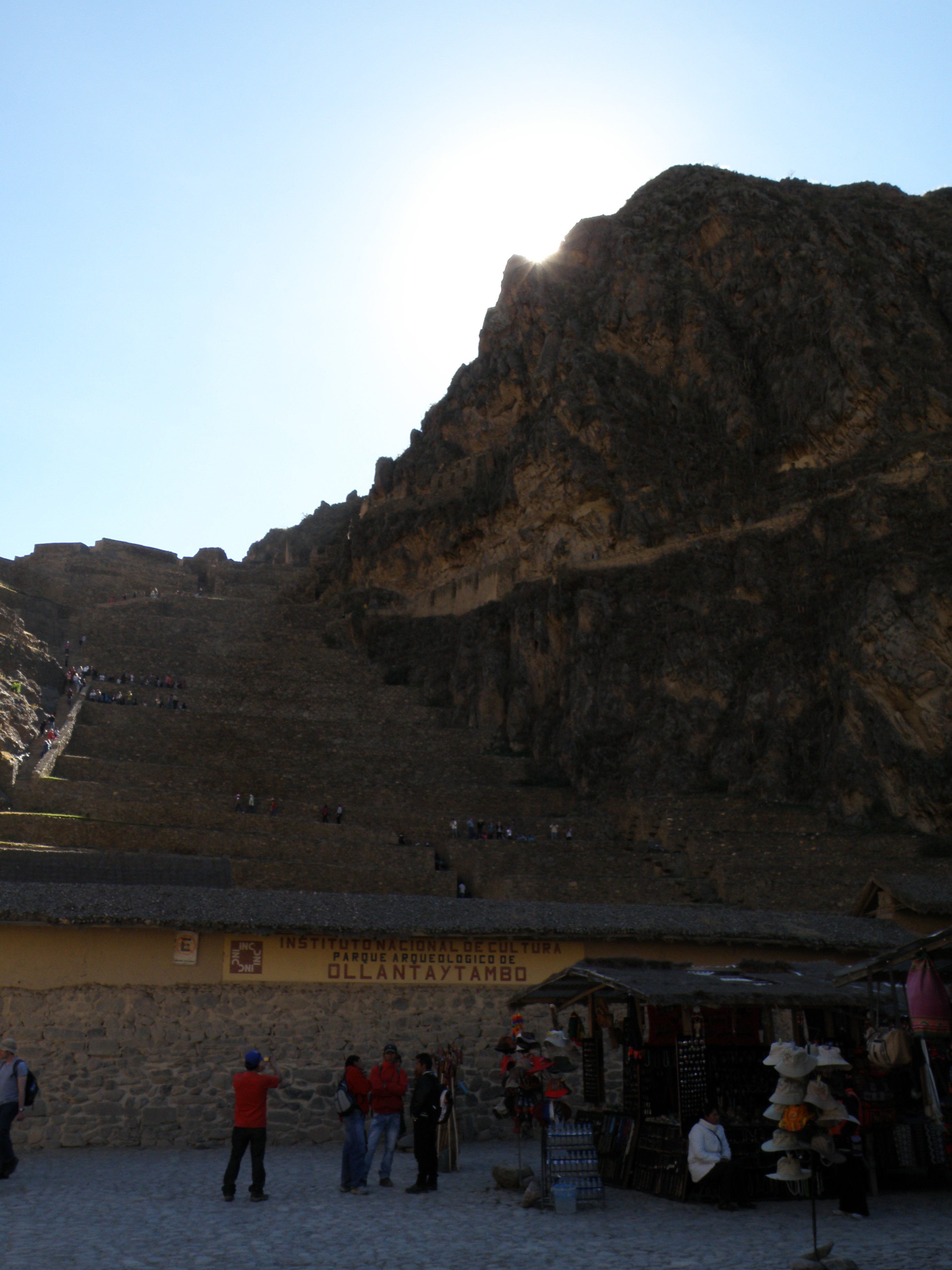
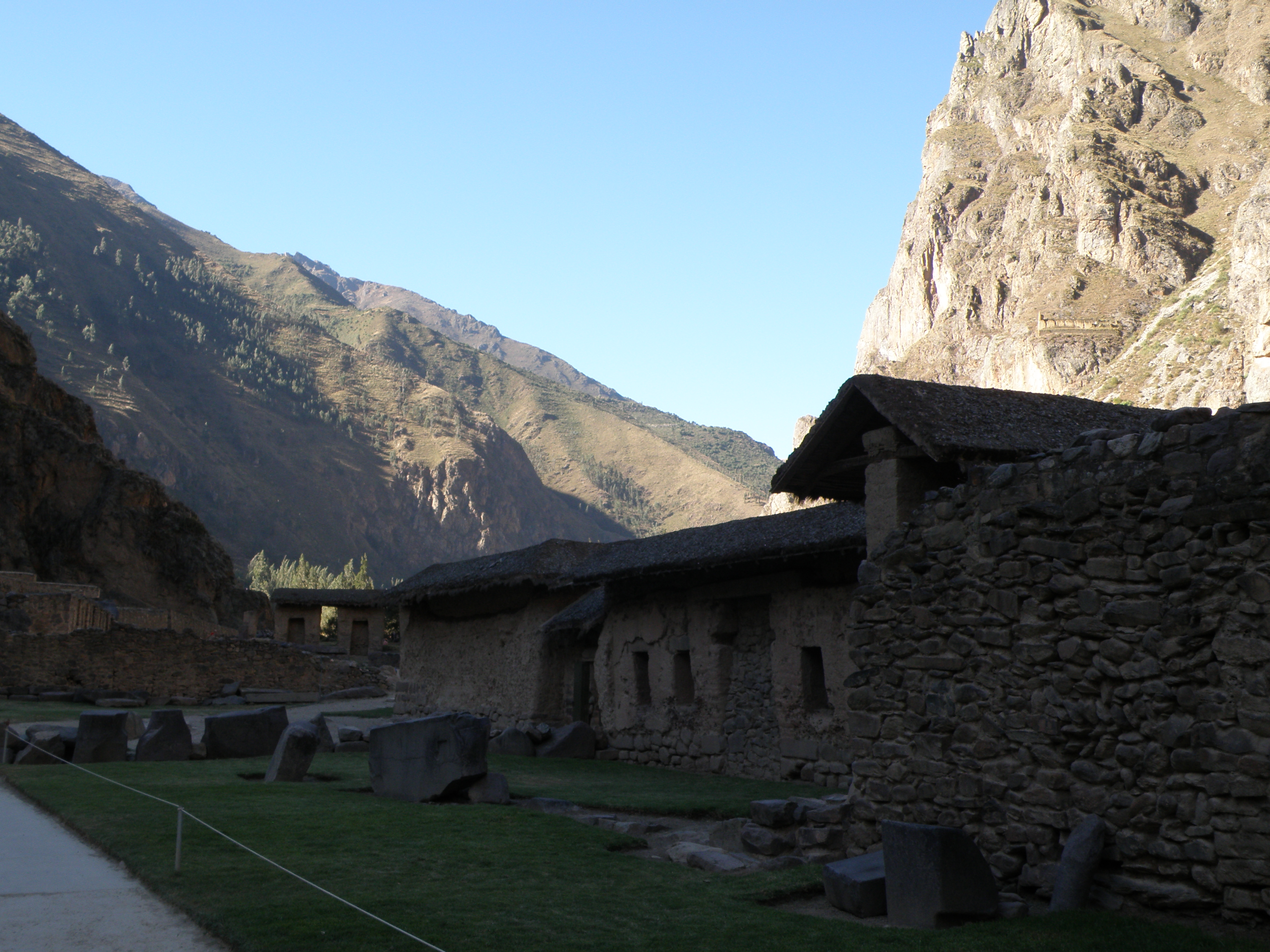
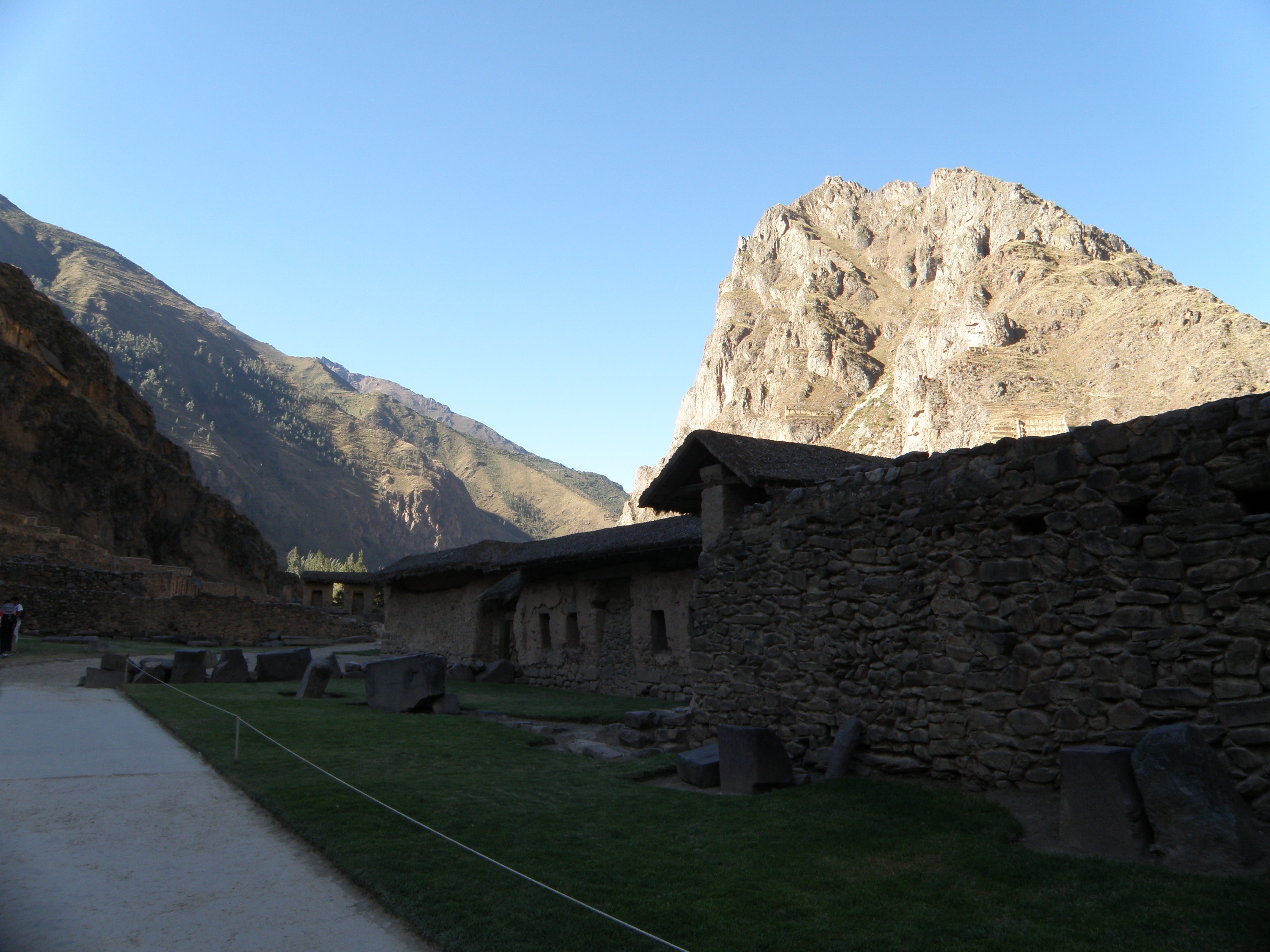
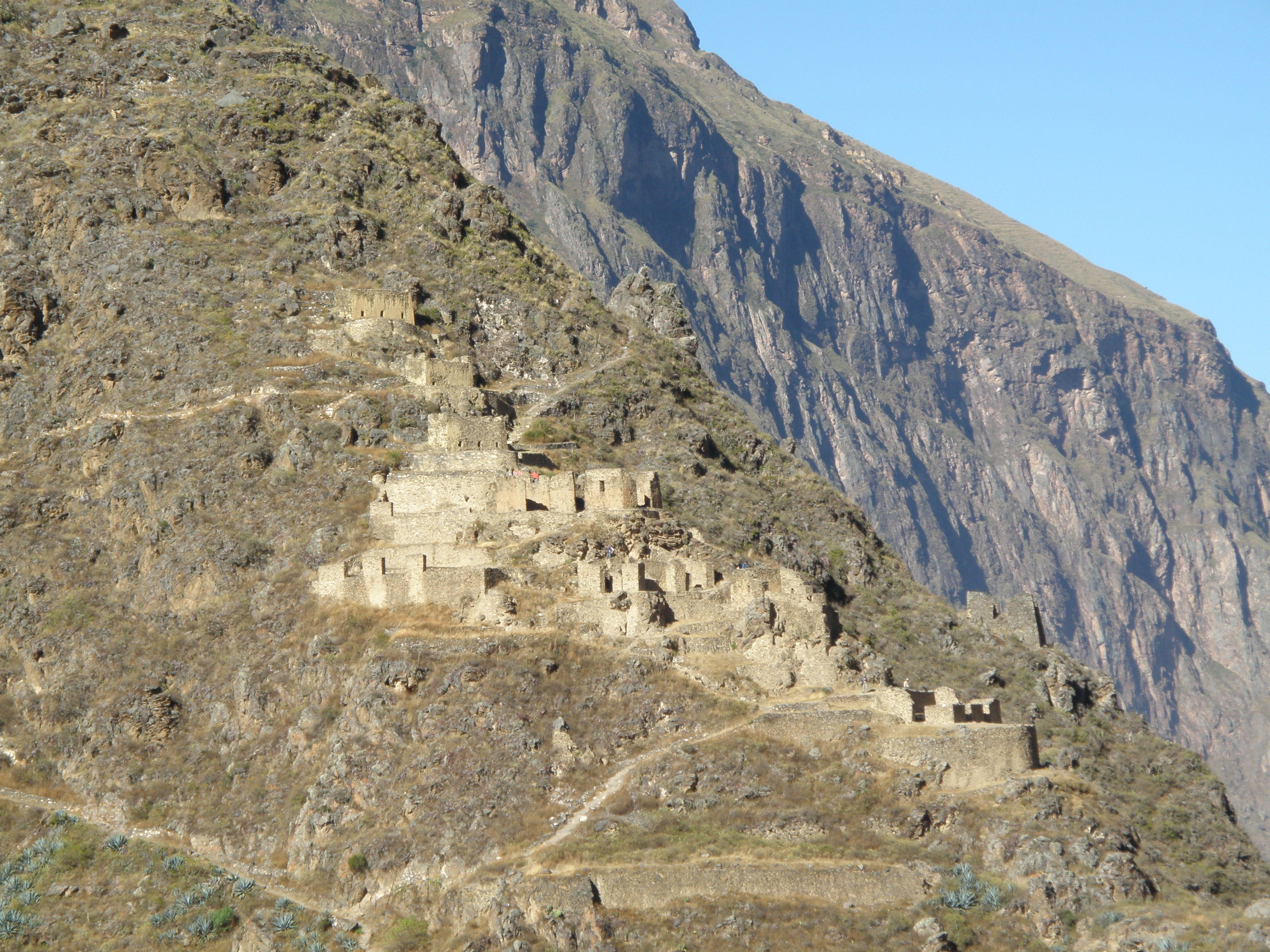
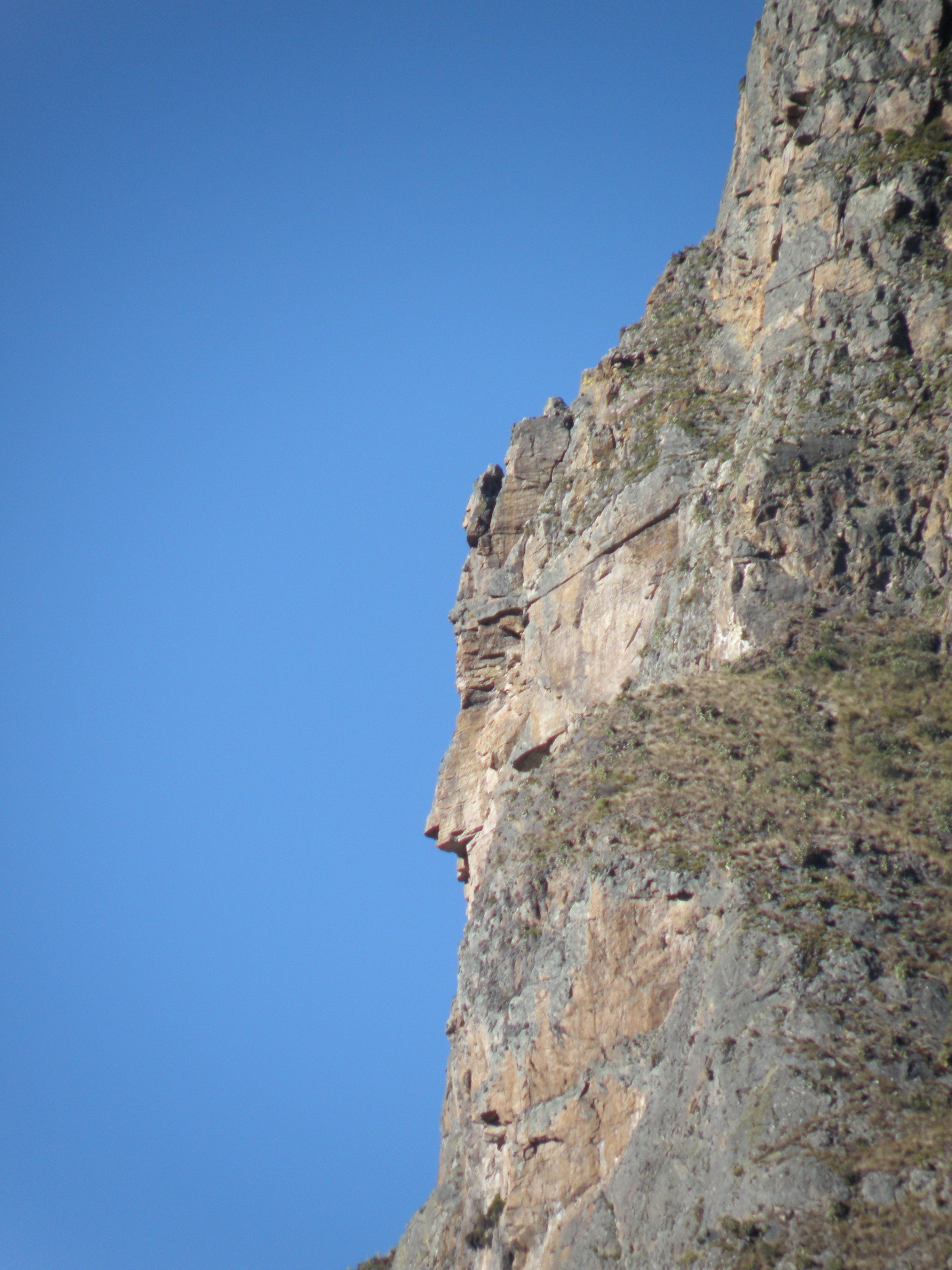
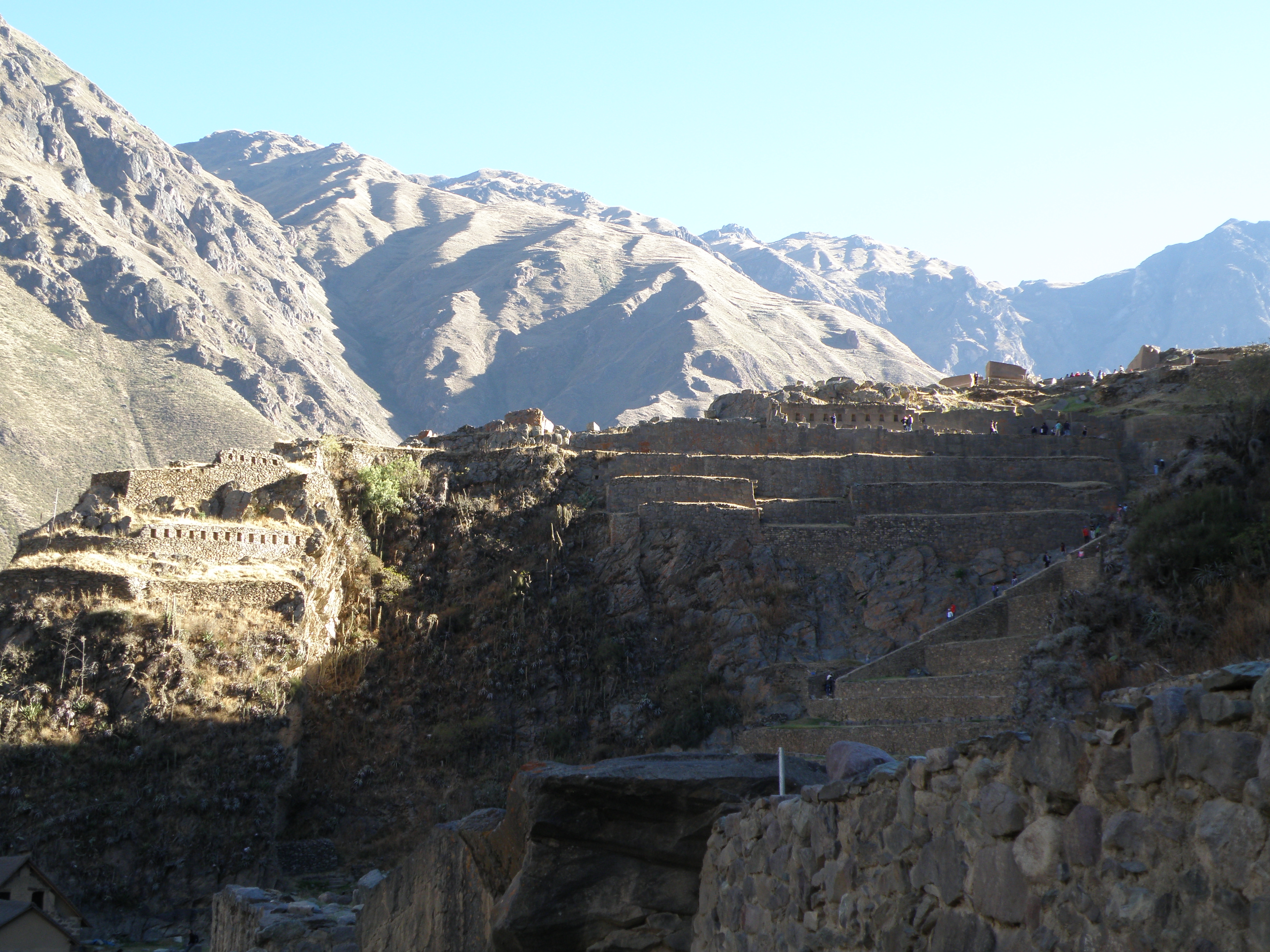
My return to Ollantaytambo really topped my previous visit. We made our way up the huge terraces to gain a great height on what must be a contender for the most stunning Inca ruin after Machu Picchu. Crowds of tourists seemed to feel the same. We surveyed the sun blessed eastern hills. Ancient faces were carved in their rocky outlines. We were at a mysterious high point where, incredibly, 10 tonne rocks of granite had once been brought up and ramped over a prepared wet sand to complement the stony splendour of a largely unaltered town. The steep steps sapped my energy, and the hot sun drained me even more. The gap year gang disrespectfully asked whether they were meant to bow to a lovely looking local lady with her chubby cheeked smile, happily weaving away in her traditional dress. I could have said something and some of us did raise our eyebrows.
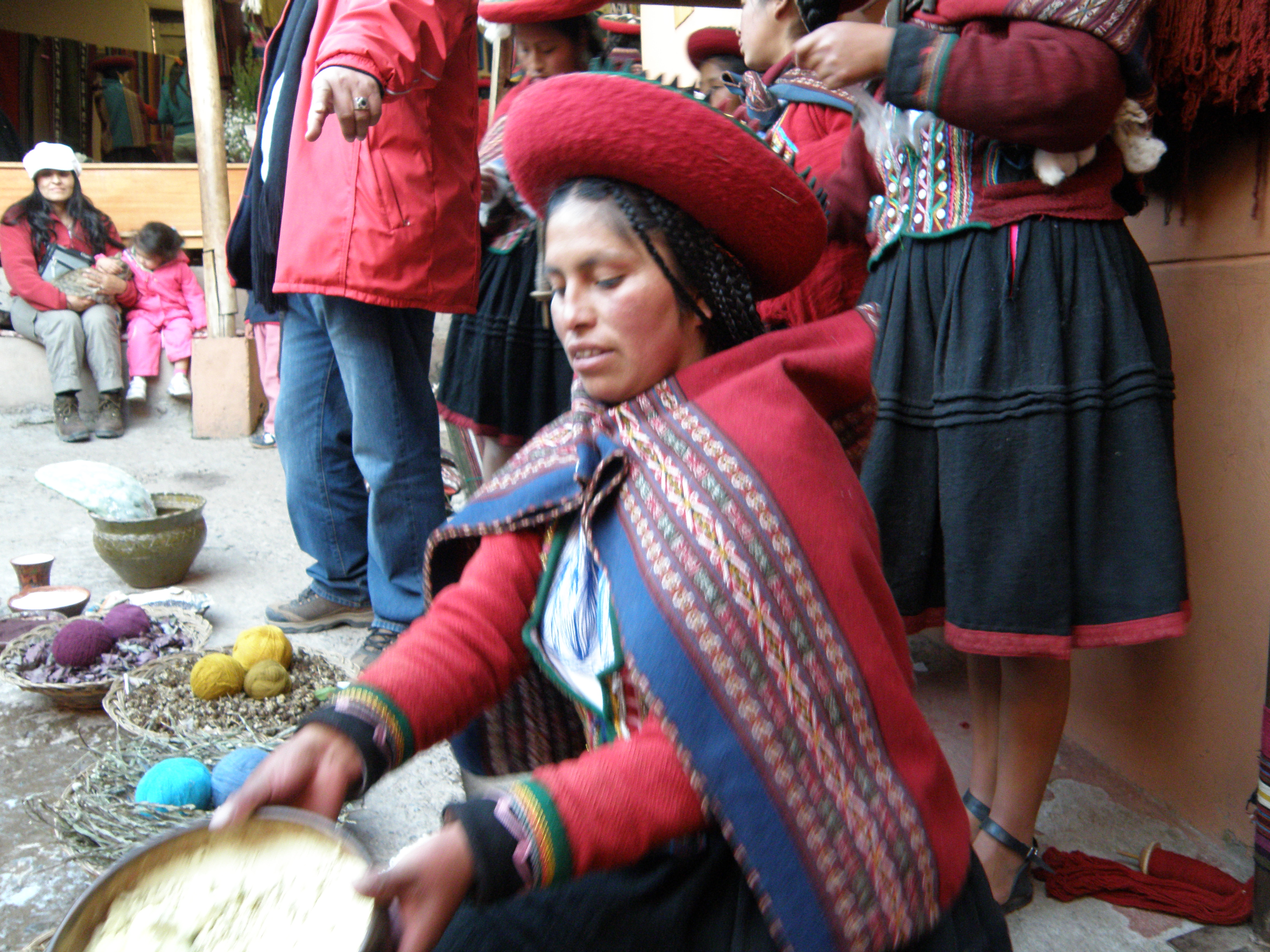
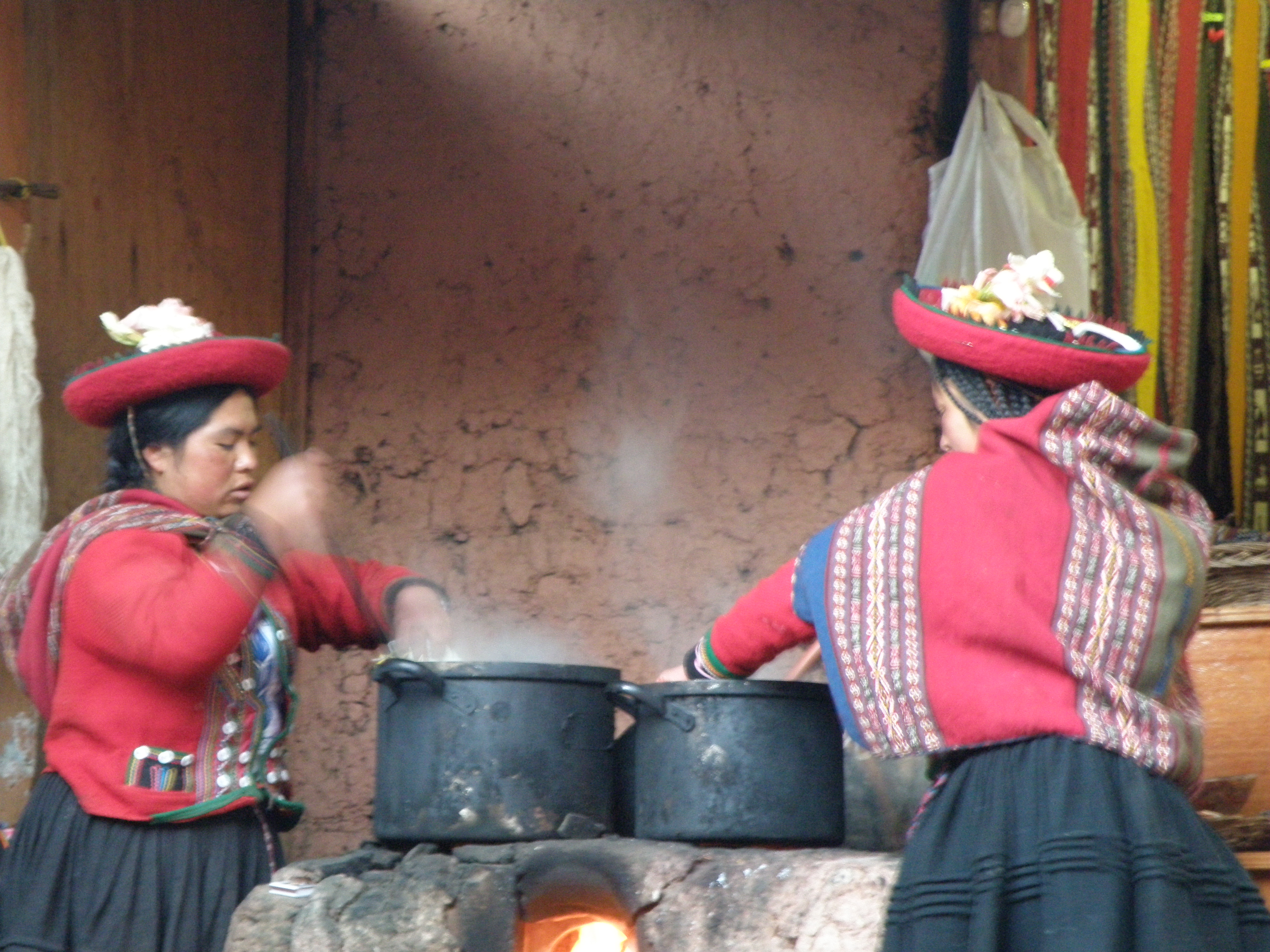
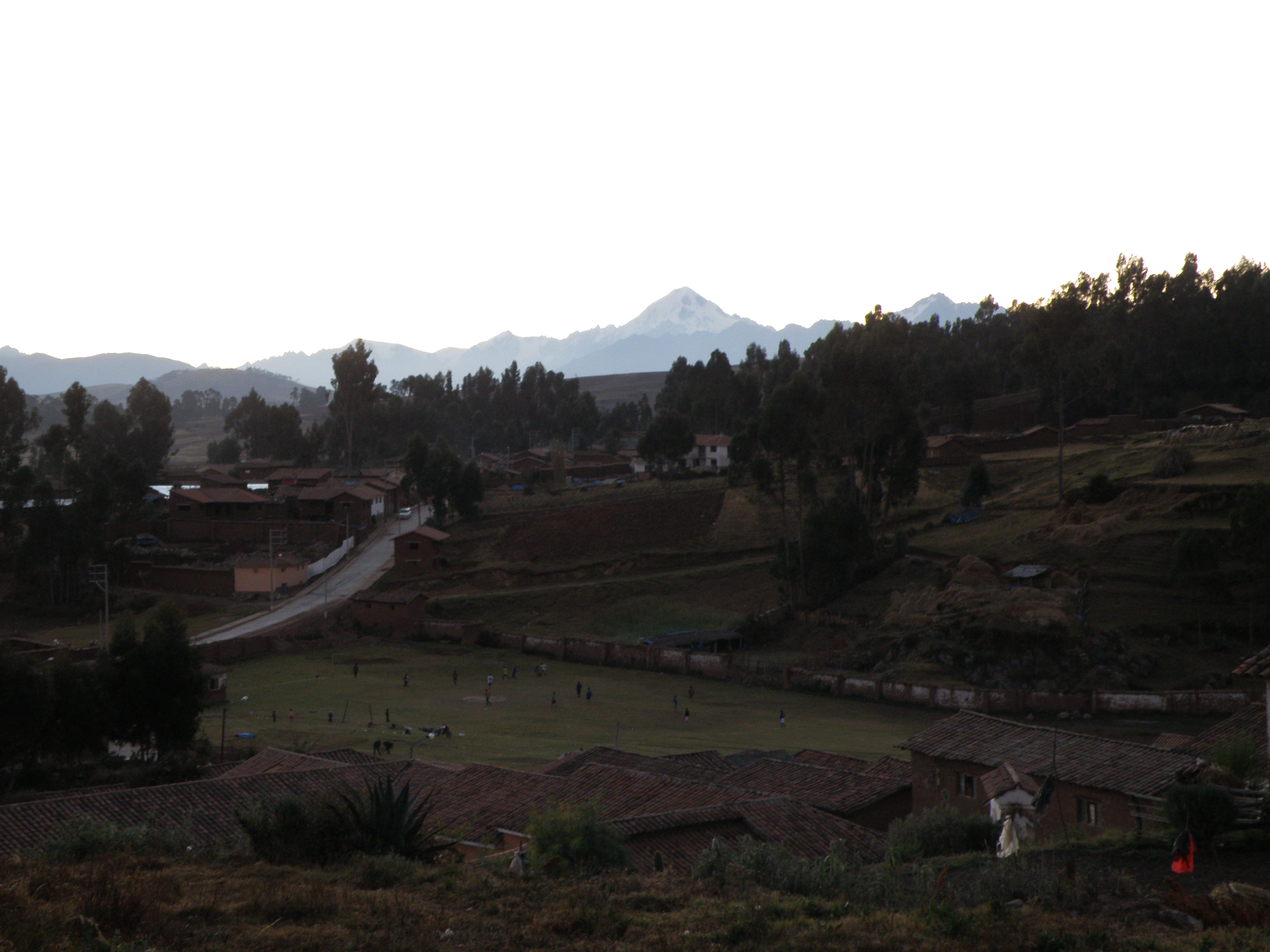
On our way up to Chinchero, another stunning site situated at almost 4,000 metres, a headache set in. Despite my increasing feeling of nausea, Chinchero had to be the highlight of the day. The Andean village has an elaborately decorated colonial church. There’s also a Sunday market nearby featuring dozens of young ladies, dressed in their traditional, Chinchero region costume, weaving their textiles on a large, grass lawn. We were then treated to a demonstration as the ladies had us all sat down around a courtyard as they went through the processes of dyeing and weaving. Their intricate skills and understanding of chemical compounds, with water and fire, are techniques going back to the very start of civilisation. They were marvellous scenes in Chinchero. Unfortunately, I took some poor photographs.
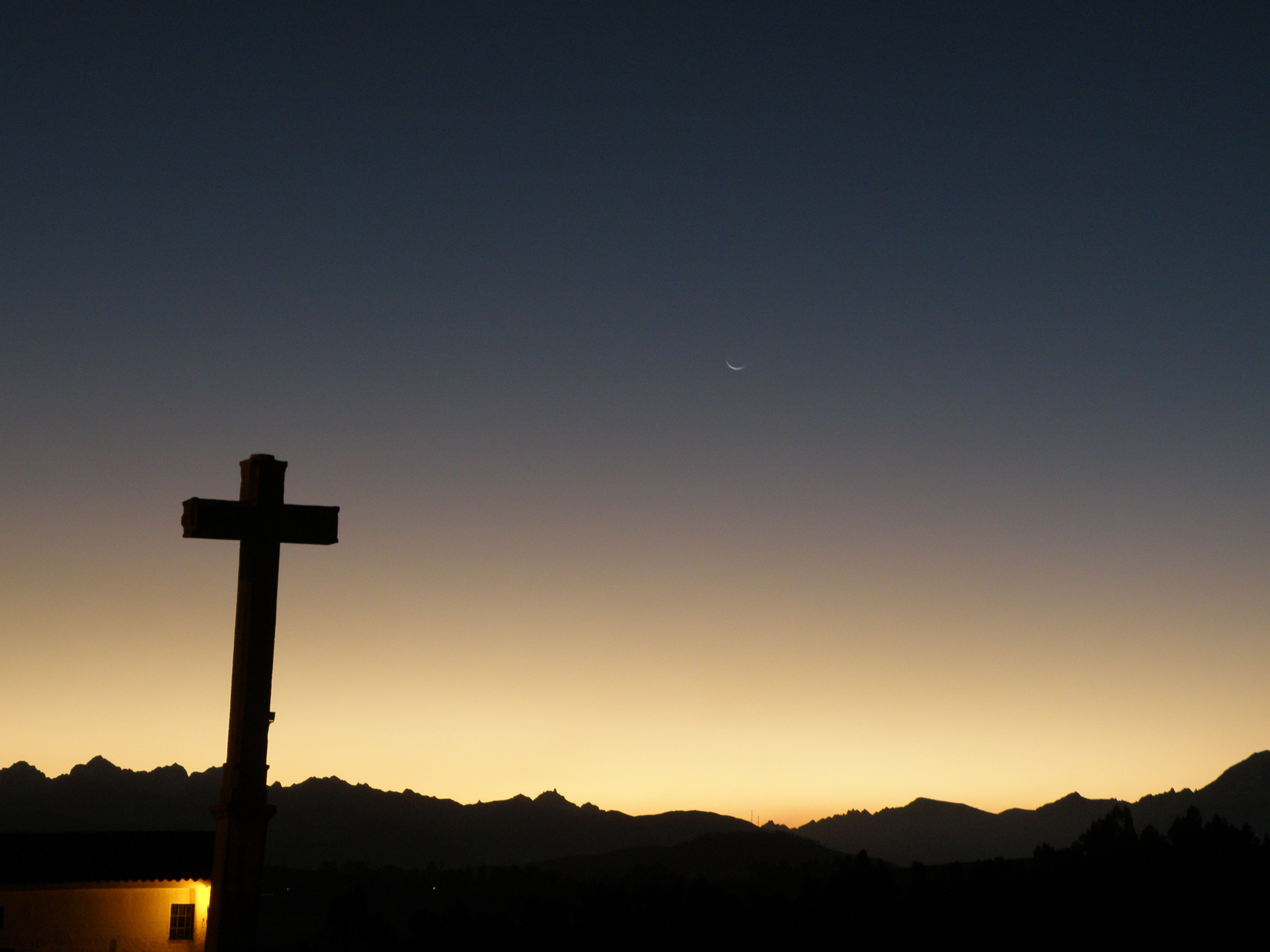
I almost came close to vomiting as we headed back for our bus. The twilight still afforded a golden, western sky beyond the darkening view of the green and white Andean peaks. We were on our way back to Cusco and the gap year girls were really going for it and singing Beatles songs from the Sgt Pepper album! I chose a delicious quinoa soup for dinner, and camomile tea. My feelings of nausea lessened. The truly stunning Sacred Valley impressed me, but the altitude and hot sun affected my mood for a time.

Plazoleta de las Nazarenas, Cusco

 Reading English, Hearing Spanish