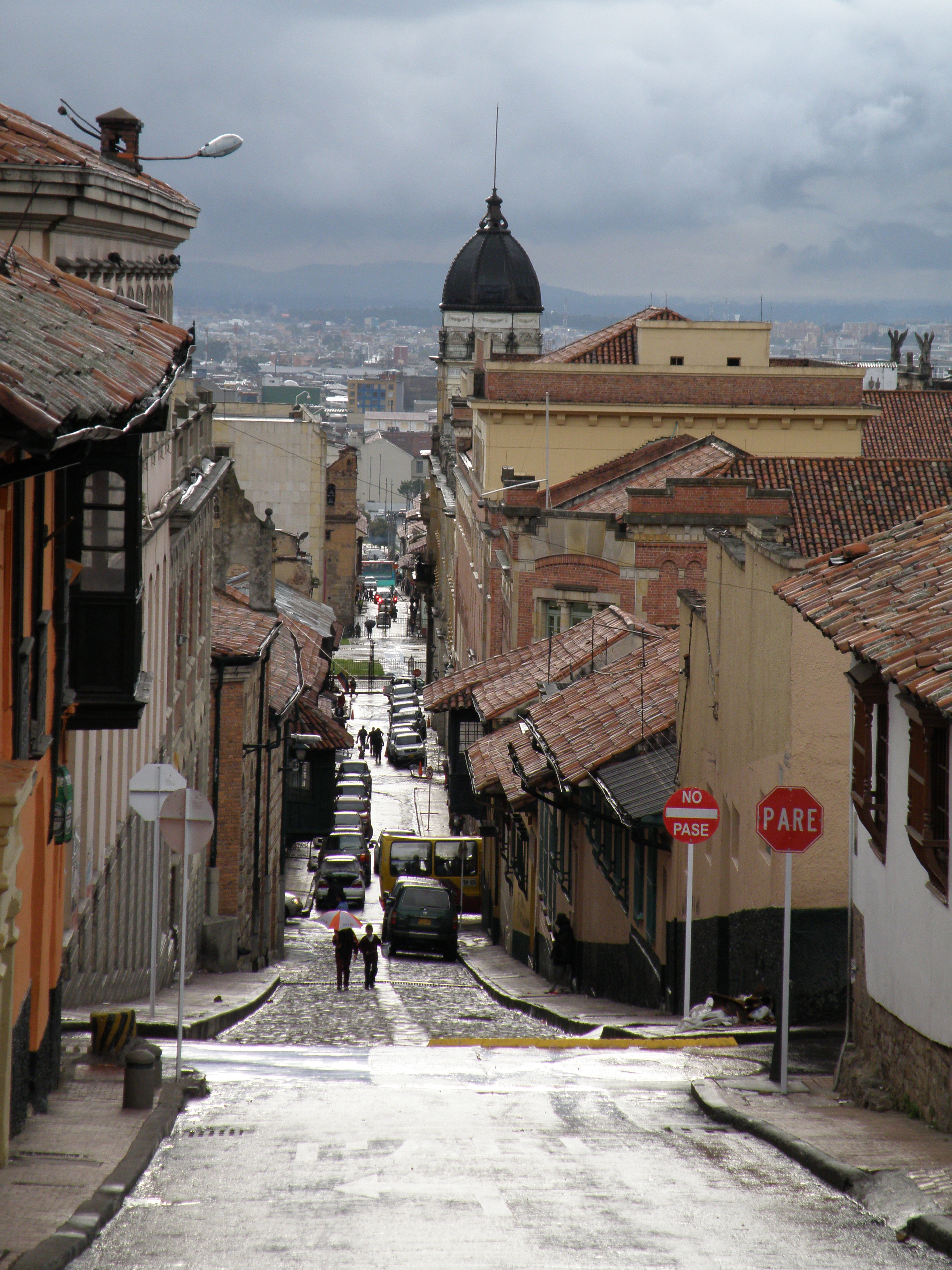
La Candelaria, Bogota
-

- Plaza de Bolivar, Bogota













-

- La Candelaria, Bogota

-

- La Candelaria, Bogota
Chapter 22: Bogota, Colombia
Friday, July 23
I returned to the Hostal La Posada Colonial after my final, excellent breakfast at the delightful Nuevo Condovez. I bade farewell to Jaime. He gave me a massive hug and wished me a safe journey and lots of good fortune. I liked Jaime. He had such a calm, reasoning presence, which was imprinted on La Posada Colonial. It was the best place I’d stayed in across South America, and similar in tone to the ethos of the Youth Hostel Association back home. It also didn’t charge for a book exchange! Seriously though, my time in Quito had energised me. My health had improved, and I was getting out more. I was in proper traveller mode. Despite some sadness about leaving Quito my curiosity about what lay ahead spurred me on.
Jaime telephoned for a taxi. The nearby bus station had closed a year ago. A new international terminal was now situated about 10 kilometres north of Quito Central. I’d considered taking the Trole tram but, with heavy luggage, thought it wise not to. I would miss the noise of Quito. There was a unique sound of street life bouncing off the amazing old architecture. I always got the impression those buildings were the daddies of the town. The sights, sounds and scented smells were the additional ingredients of a giddy concoction.
Regular buses ran to Tulcan. This was a four-hour journey up to the border with southern Colombia. We slowly meandered out of Quito on a rickety looking, traditional type of South American bus. It soon became caught up in a traffic tail back. Streets sellers of anything, from DVDs to snacks and drinks, came on board to make their pitches. We gradually got going as the inside of the bus became hotter and hotter. The driver travelled very fast, taking corners, and overtaking as dramatically as the landscape backdrop. Occasionally, new passengers boarded, and existing ones departed. I largely had a seat to my own. A breast-feeding young mum sat beside me for a while. She, like many of the passengers, looked so happy with life. The mood lifted me.
We eventually hit the high road to a point where a steep descent and then a quick climb brought us into Tulcan. The higher, remote landscape reminded me of mid-Wales, in particular the Storey Arms Pass in the Brecon Beacons. The humid air and cloudy skies allowed only occasional glimpses of the sun in Tulcan. Taxis were waiting in a line to take people to Rumichaca. Due to ongoing security issues, this was the only recommended Ecuador border crossing into Colombia. My taxi was driven at an incredible speed. It reached 100 mph on one stretch. In response to recent civil unrest there was a large military presence on the other side of the line. I expected a long wait and possible searches and questions. After receiving my exit stamp the taxi driver drove me across the bridge. Another driver then took over the duties.
My new driver waited as I took my bags and guitar to wait in a small queue. There were currency dealers sat outside the small building, so I also changed my dollars for pesos. Five minutes later an immigration official started opening a booth on the far right of the counter. I caught his movements just as he began to signal for me to go over. Within no time, he could see that everything was fine, but he asked about my profession. When I answered periodista (journalist), he asked whether I would be working during my time in Colombia. I replied probably not apart from some travel journalism. This satisfied him. Then he asked how many days I intended to stay in Colombia. I couldn’t be exactly sure, so he stamped a 60-day visa in my passport. This little episode gave me much more confidence in speaking Spanish. There was already an equilibrium to match my mood. I remained calm, composed, and measured in my tone. The guy could see I was trying and that was good enough for most people.
The taxi then took me to the bus terminal in Ipiales. Expreso Bolivariano operated the regular service to Bogota. A standard fare cost me 95,000 pesos, about £30, for the 22-hour journey. Before setting off, the driver’s assistant delivered an address to the half empty bus. He warned us all to watch our belongings, especially during the night. The journey began. There were amazing, lingering shadows as the late sun shone low across the stunning countryside. I just stared for most of the time until it became too dark to see. In the little towns we passed through I noticed many motorcycles. Quite often, only the rider was wearing a helmet while the pillion passenger, often a woman, had no head protection. I then saw the distressing sight of another squashed dog on the side of the road as I had done in Quito the day before.
There were lasting impressions though of thin lines of smoke above small country abodes. Crops were tidily planted out on the steep slopes, and the rolling hills stretched out far and wide. The approaching darkness soon smothered the scary sight of thousand metre sheer cliff drops just off the roadside. There were no barriers to stop vehicles from toppling over the edges. The bus screamed through one headland tunnel and out towards another, frequently emerging close to the vertical drops to our right. The risen moon occasionally shone its ghostly light on the deep ravines below. It clearly wasn’t a bus trip for the faint-hearted.
Saturday, July 24
We stopped for a late-night snack at a small roadside cafe. Its television caught the attention of the passengers. Venezuela was breaking diplomatic ties with Colombia. President Hugo Chavez was disputing the outgoing Colombian president’s accusation that FARC (Fuerzas Armadas Revolucionarias de Colombia) guerrilla fighters were being harboured inside Venezuela. Troops were amassing on both sides of the border according to reports. It was a serious situation and one to keep abreast of.
Meanwhile, I was busy finding some snacks to sustain me on the long journey to Bogota. I bought a ham and cheese sandwich and a small caramel pastry. This had a little bit too much flaky icing on top of it. Of all the places to have white powder crumbling all over my front! I soon experienced my first of many military roadblocks and strict searches. I was singled out on one check. All the passengers were lined up outside the bus and the baggage compartment emptied. I declared myself as an extranjero (foreigner). The armed soldiers took me away to a side office. Questions in Spanish and broken English began. I felt nervous especially during the strip search. There was silence and then smiles all around. Perhaps they sensed my tension. They were almost apologetic. Their lead officer then led me back onto the bus, shook my hand and wished me good luck. The concerned passengers looked out from their seats with relief. I was fine and I smiled with added relief and gratitude for their friendly reassurances as I made my way back to my seat to rest and relax.
We picked up some more passengers in Cali at about 3am. My neck was aching despite my inflatable cushion. Fifteen hours into the journey we were well past Tulua. We were travelling northeast through the steamy like mists of the gentle mountain jungles and yet more dramatic high road passes. The sun was really beating down as we stopped at a roadside restaurant not far from Armenia. I relished a good breakfast at the Parador Paso Real. I treated myself to fresh coffee, fruit juice, fresh yogurt, bread, and scrambled eggs, finishing with portions of tropical fruits. I felt quite refreshed, even more so after then taking a quick strip wash in the bathroom. I was all set for Bogota.
We reached its outskirts by mid-afternoon. I was guessing the sun arced high in the southern sky and later set west, southwest. Being well north of the hemispheric line by now I was experienced a familiar yet almost melancholic feeling. The clouds were banked up and blackened against the eastern hills above Bogota’s centre. There was a well organised public taxi rank at the bus terminal, to the northwest of the city centre. I stated my destination to a lady in a booth. She then issued me with a ticket and indicated which yellow taxi I was to take. The driver struggled to find the Hostal Innvisible in La Candelaria, the 470-year-old historic city centre. The Calle and Carrera Street numbering system seemed straightforward but down on the ground the address numbering system wasn’t so simple.
I was so tired. A note on the hostel door read 2.40pm, back in 10 minutes. A couple from Madrid turned up. They waited outside with me and recounted their previous night at the hostel. It didn’t sound very promising. An hour later a guy turned up and opened the door. I was a bit irritated by this point. One paid a bit more through online hostel booking companies. Harreson, the hostel manager reassured me. He said it was better and safer to guarantee a place for the night rather than just turning up without a booking. After a short rest in my room, I settled with Harreson. He told me there was an ongoing dispute between the hostel’s joint owners. It was squeezing the well reputable place out of existence. The hostel did seem in the throes of closing. The other guests were irritated by the lack of service, unkempt beds, no breakfast, and an absent atmosphere. It was ideally located though.
I soon found my way around the streets, checking other hostels and finally settling on a McDonald’s Saturday night treat. On my way back to the Innvisible, I stopped at a tidy looking French café. It looked so inviting so I entered and ordered some sweet pastries. As I waited, I acknowledged the friendly smiles of the young people sat in the cafe. There was an ambience like I’d never experienced. Go into most unfamiliar places and I’d be quite meek and almost guarded. However, here I was in a cafe in Bogota with people seeming to weigh me up with encouraging, smiling side glances. I felt comfortable. There was a friendly familiarity. I paid for my pastries, exchanged a few friendly words, and said goodbye with a little wave to the workers and their guests. Such an experience can easily be cast aside as insignificant, but one hears so much negativity about Bogota, and its dangers. Therefore, it’s delightful to learn and experience people there reaching out and warmly welcoming you.
Back at the hostel, it didn’t feel so relaxed. The place was empty, so I retreated to bed. Harreson had said something strange to me earlier on in the evening which stuck with me. It went something along the lines of you shouldn’t be so lonely, it can make you become crazy. Some light conversation led to this comment. He’d warmed to me though and seemed sincere enough. He tried to elaborate by asking are you isolating yourself despite having other people around you? There was some truth in this. Since February, I’d met some lovely people, but I also felt a disconnection with the backpacker community. I was happy though to have reached an age of independence where I enjoyed my own company. And here I was in Bogota, Colombia, a country boy from the Vale of Clwyd! Everything was so fresh and new. I had to keep my wits about me and not dilute my concentration too much. I perhaps needed to relax a little more though and what better place to do that than in Colombia.
Sunday, July 25
The sound of Manchester’s New Order drifted around the hostel as I fell to sleep. In the early hours I jolted right up. Harreson’s glamorous looking lady friend was standing right beside my bed. I guessed she might have been out of it or something. I then heard Harreson call her back and she walked out of the room. Quite strange! I slept almost 11 hours though and I was up early.
It was the last Sunday of the month when Bogota’s museums were free to enter. First, I visited La Puerta Falsa, on Calle 11, just behind the cathedral. It boasted the title of the oldest eating place in Bogota. La Puerta had been serving the same stuff for 200 years so the term established couldn’t really have been more fitting. I opted for a fine breakfast called the Complete Chocolate, but I also wanted something more substantial. I had my first taste of tamales, comprising of maize, rice, chicken, and vegetables. It was all wrapped in dried banana leaf and it tasted so delicious. I washed it all down with fresh orange juice.
I could hardly move after such a great meal so early in the day, but I did, first to the Museo de Arte Colonial. I became transfixed by the glancing, glaring eyes of a statue of the great Colombian painter Gregorio Vasquez de Arce y Ceballos. His position of dominance at the foot of the stairs represented the huge body of his work in the museum. The Casa de Moneda featured lots about the history of coinage and the national mint’s history. Many English engineering examples were on display and free coins were handed out to visitors. It all became a bit hectic as crowds of children went coin crazy. In the same complex I inspected the Museo Botero. It exhibited the inflated figures of Fernando Botero’s amazing eye, imagination and touch. There were also works by internationally famous artists like Picasso, Renoir and Matisse.
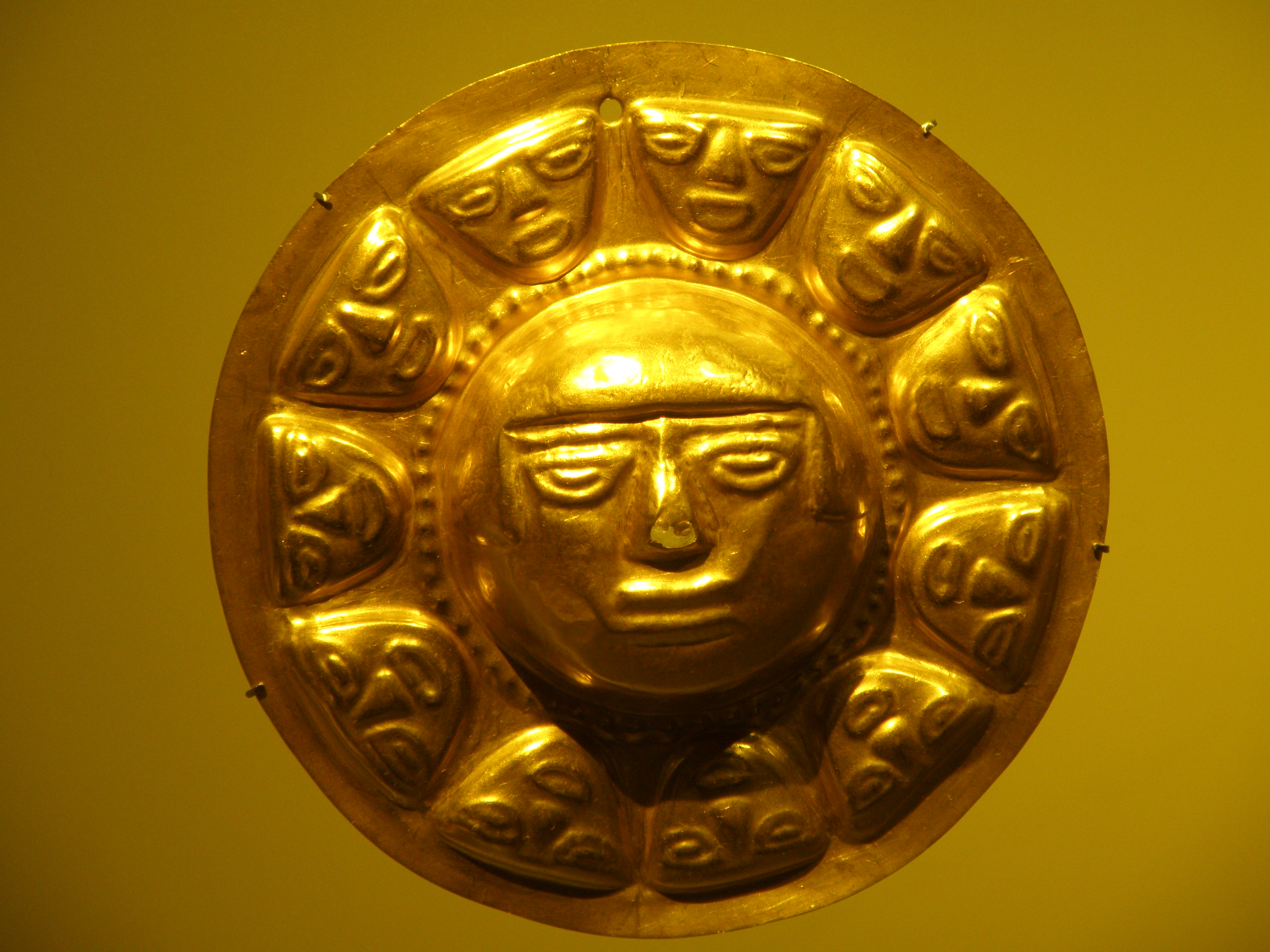
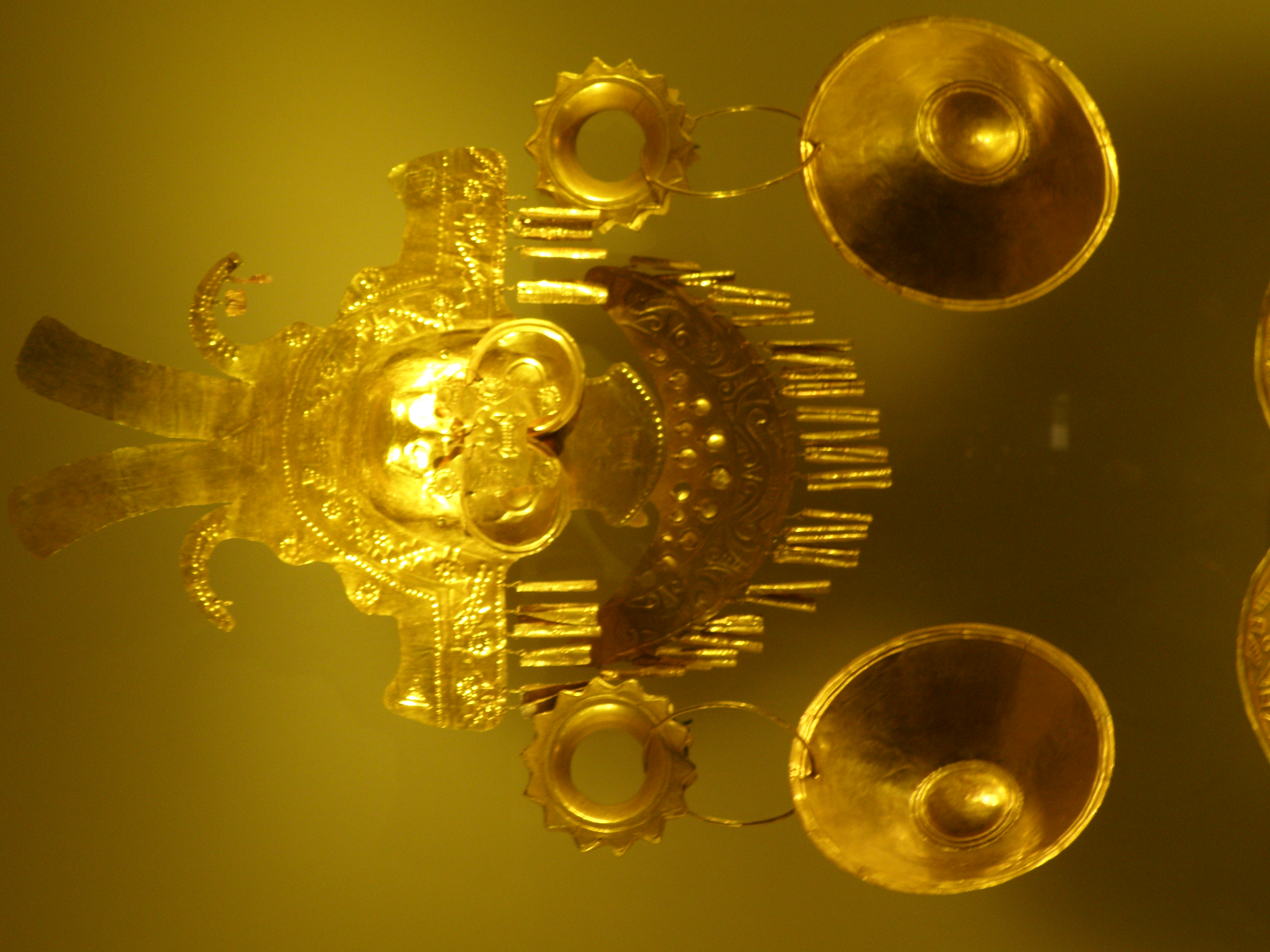
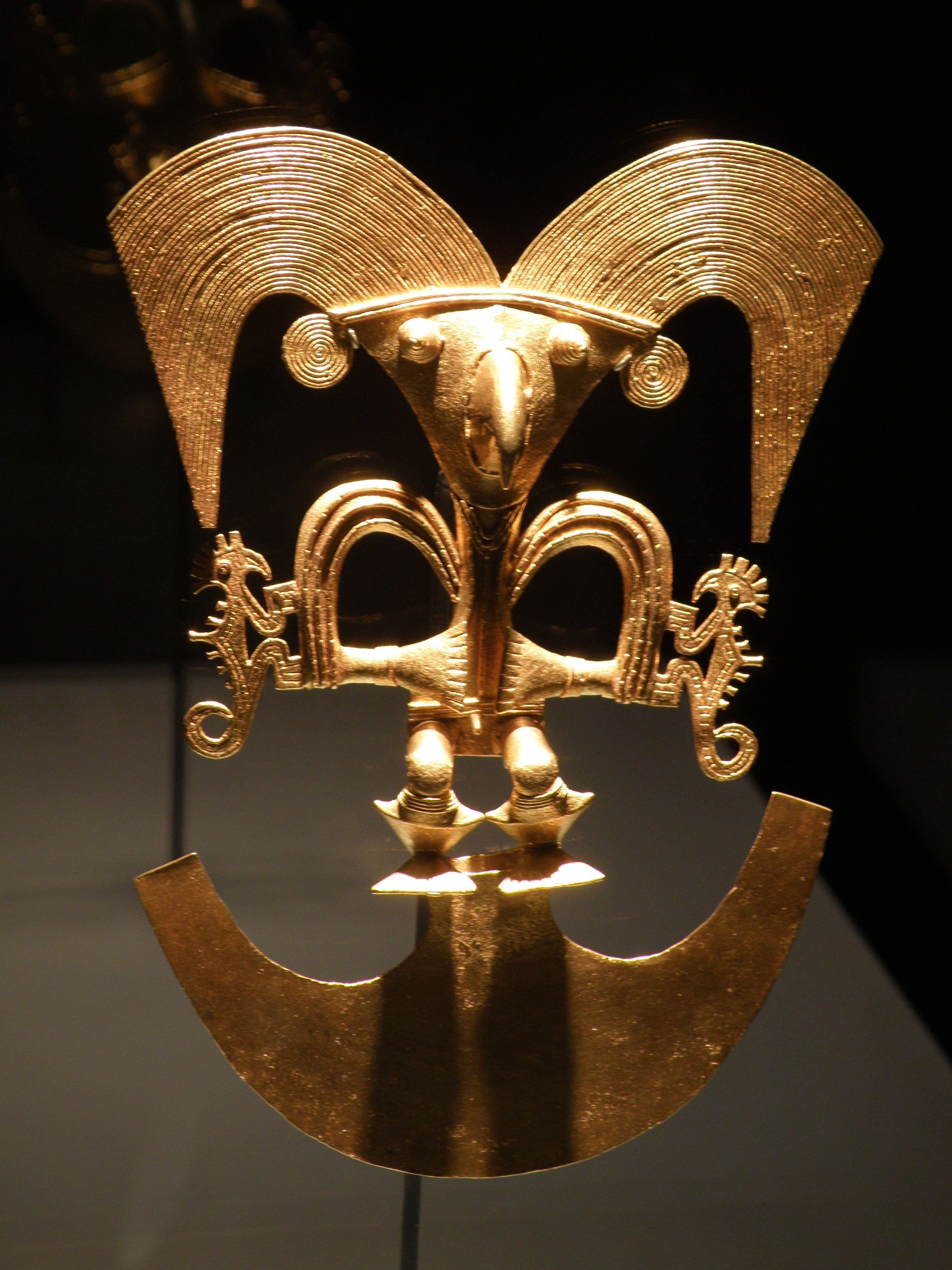
Hundreds of people were waiting to get into the Museo del Oro-Gold Museum. The four floors all became too packed with people pushing and straining to see so many gold items and relics. However, I did find time and space to learn about the lost wax method, a process that allowed anything modelled in wax to be recreated fully and faithfully into various metals. The process went back thousands of years to ancient Egypt, Greece and Rome and it was still the best method for capturing the exquisite detail in metal objects.
The Catedral Primada seemed rather hollow. Apart from the large chandeliers resembling big drooping breasts, and an elongated altar from the Congo, it left me feeling rather cold as did the Plaza de Bolivar. Events were too recent as I looked at the sharp outlines of the Palacio de Justicia. This building had replaced the previous one which was destroyed by fire after M-19 guerrillas took control of it in an armed confrontation with government troops back in 1985. I felt the whole square had a big, boring block feel to it with a hint of the strong-arm Colombian state. It wasn’t subtle at all. In fact, I found it brash, boastful and rather provocative.
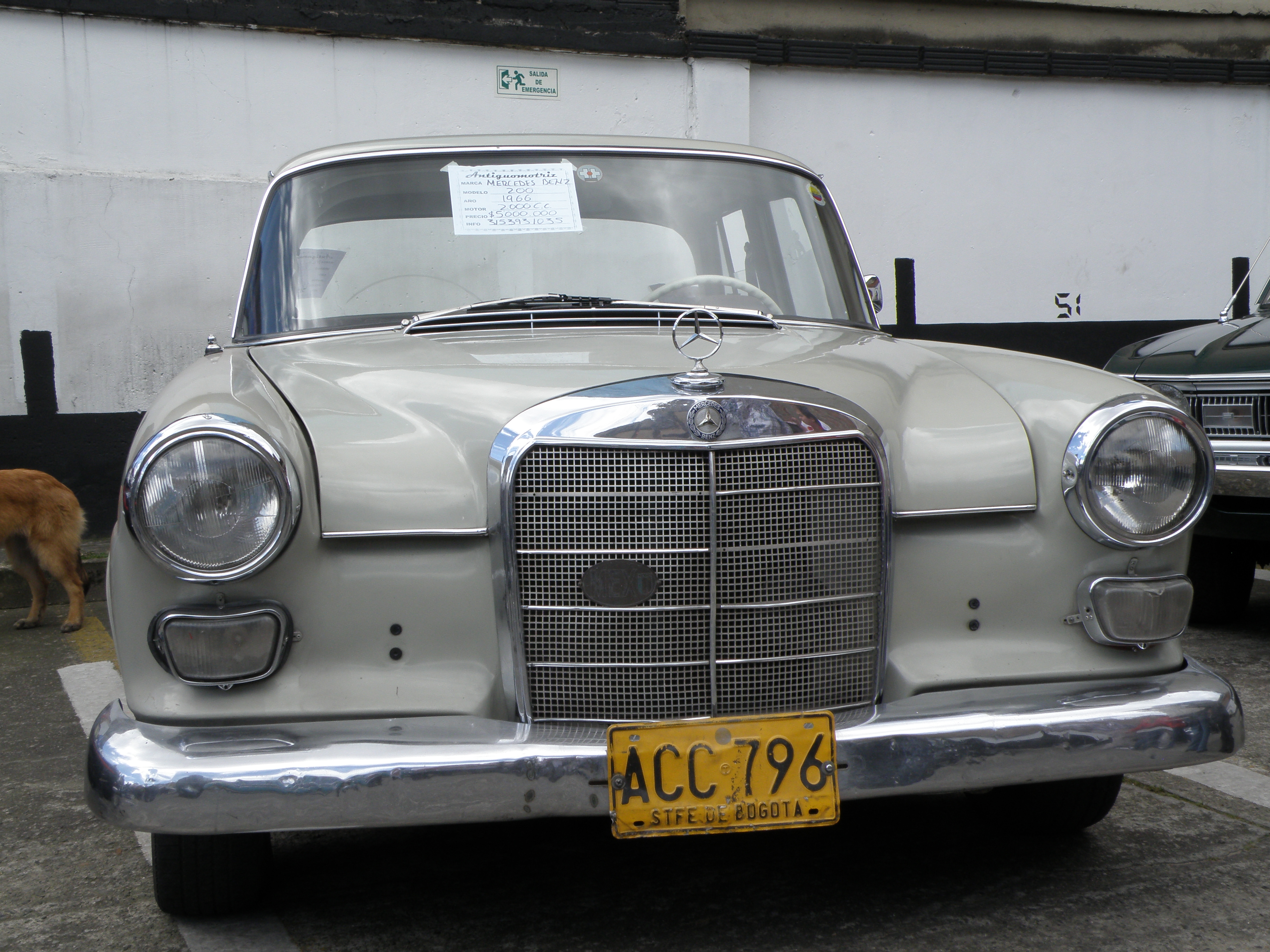
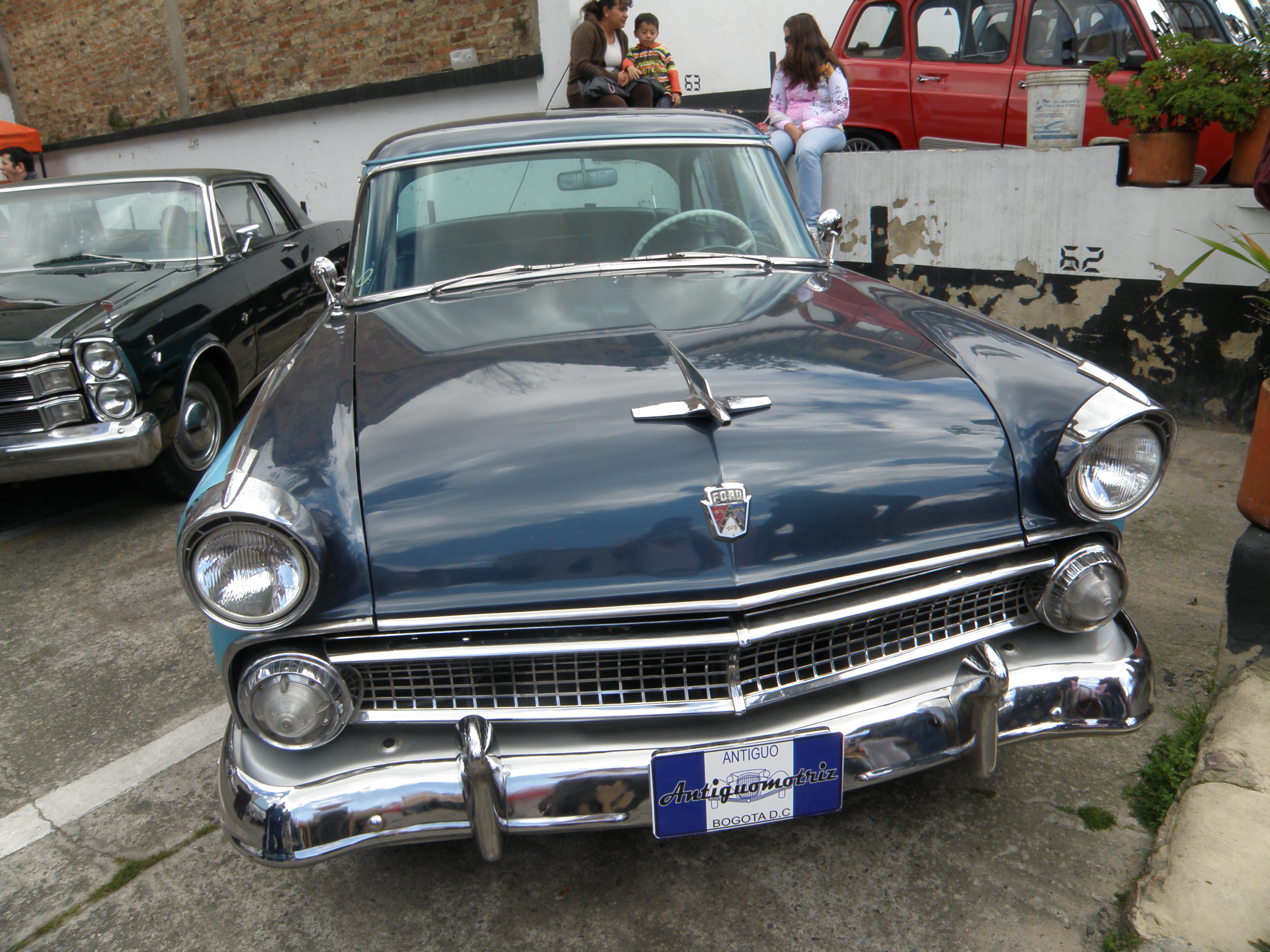
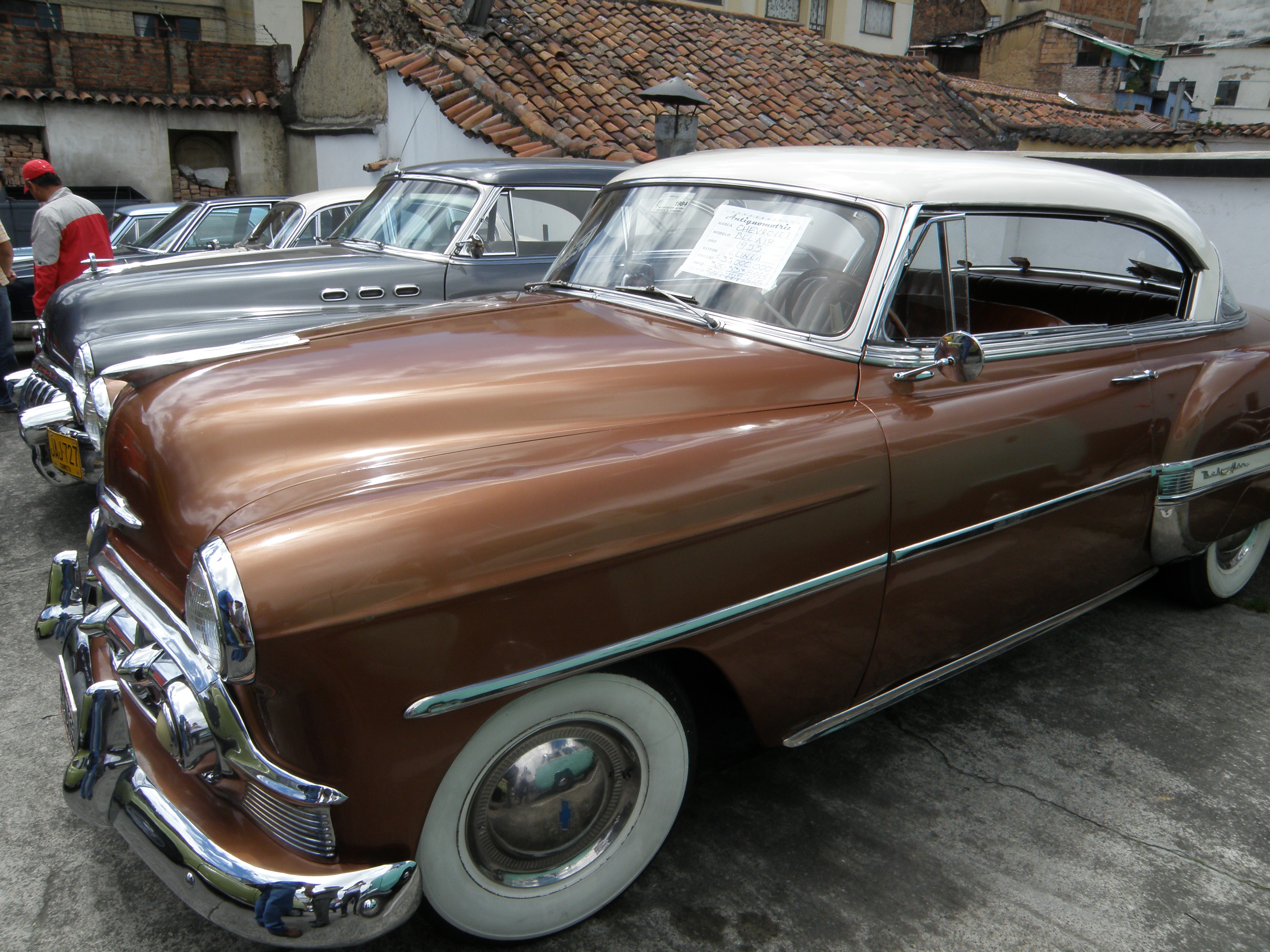
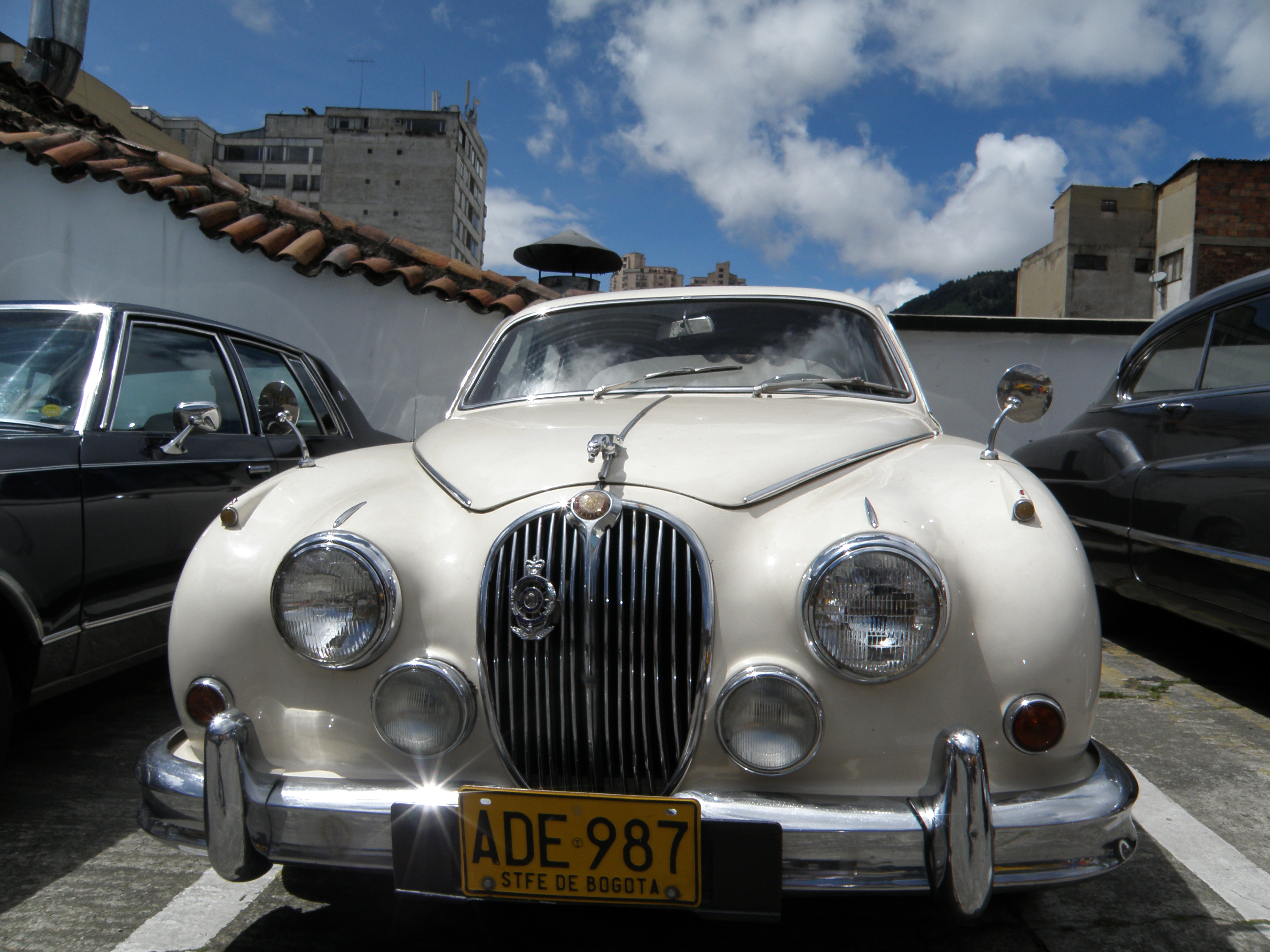
Meanwhile, on Carrera 7, a busy gathering was indulging in a roadside yard full of classic cars. Now this was more like it. The sun appeared at long last to reflect on an immaculate Jaguar 3.8 Mk2, Chevrolet Bel Air and Plymouth Savoy, to name but a few beauties. The display brought out the best smiles in the admiring crowd. The long walk up to the Museo Nacional and the equally long wait in the queue were well worth it. A large cake was being sliced up on the lawn outside the museum. Visitors queuing up happily parted with some coins for a local charity and got fed a tasty piece of cake into the bargain. Even a couple of pit bull dogs enjoyed a slice each courtesy of their devoted owners, a gang of local characters.
The Nacional was housed in an old prison. Its three floors told the story of Colombian life inside and out. My museum day left it a little late to catch dinner as all places in La Candelaria shut early on Sunday. Back in the hostel, Walter, a teacher from Cali, had arrived. We got talking, particularly about the seemingly out of action Hostal Innvisible. What was happening there?
Monday, July 26
Walter and I took breakfast near the cathedral. We continued a good, stimulating conversation. I liked Walter. He had a generous nature and spirit about him. His shiny, brown leather shoes reminded me of my Liverpool friend Stephen and his similar footwear. Stephen was also a teacher. Did the profession sub-consciously steer the tutors of the world on to this foot fashion? Walter asked how I could have gone without dinner the night before. He was on his summer holiday and expressed eagerness about finding another place. Our first port of call after breakfast was a Hostel International establishment nearby. However, the place was boarded up with security locks on the main door and its general exterior reflecting a long-vacant status. How strange it seemed, we both thought. I didn’t have my Lonely Planet with me but felt sure HI was somewhere in the town.
Walking back to the Innvisible, Walter pointed out the large number of wheelchair users on the streets. He said they were probably victims of the large number of landmines laid in the country during the years of civil strife. The recent violence belied my impression of Colombia thus far. However, there was no doubt about the feeling on the street and public places being like nothing I’d encountered before. The people I came across were so warm and friendly, almost glad to see you. Perhaps seeing a traveller gave them confidence to be out and about again.
Back at the hostel Walter introduced me to his teaching colleague. He quickly told her how I’d ludicrously missed out on a stay in Cali after passing through the town on my way to Bogota. She sighed and laughed. Walter’s hometown of Cali boasted some of the most beautiful looking women (calenas) in the world. Cali was also a world leader in plastic surgery. I was urged by both teachers to try out Cali.
Harreson was in a very subdued mood. He confirmed a dispute between the owners was forcing the hostel to close. It was his livelihood going down the pan. I commiserated and left to walk the few blocks to Hotel Aragon. The warm drizzle became a trickle and then the rain really washed out the streets. I had time to settle in the dry and warmth of Aragon where there was a polite welcome. I’d read some less than complimentary comments on a hostel website about the place. However, I experienced nothing but a sincere, almost too formal, attention when I arrived. There was a reassuringly old-fashioned feel to it. I checked into a single room. It had a large bed but an extremely hard mattress. I was alternating between dormitories and single rooms. It helped me to look forward to a decent bit of space if I experienced a noisy or too untidy dormitory.
After lunch I wanted to find a barbershop. I eventually did and opted for a grade three crew cut for the promised hot weather ahead. Within minutes, the Ecuadorian trim had been eradicated by a proper cut. A decent haircut gave me a bit of extra bounce. That’s how I felt. The day became one in which to do things. I thought about Cali and then more about Medellin. Then the material trappings of extreme wealth met me full on at the Museo Historica Policia.
The free guided tour with a young police trainee proved quite interesting. The exhibition room was devoted to the late King of Cocaine, Pablo Escobar. It was fascinating but quite macabre. Mementos included a bloodied roof tile which Pablo had been standing on during his ill-fated rooftop shootout with the police. It was the culmination of a 499-day search for the main man way back in 1993. Further displays included a large wooden desk designed with a confusing assortment of drawers to hide items important to Pablo. According to the police, he had the carpenter and his family bumped off to conceal his activities. The police museum portrayed Pablo’s ruthlessness with displays of many guns. There were so many guns in the rest of the museum as well. In fact, it all became a bit of a weapon overload for me as we reached the rooftop to sample the panoramic views of Bogota’s vast sprawl. I went away guessing a bit more about how the police and military were strongly represented in the higher circles of Colombia’s official power structure. Officer numbers were also very high.
I sought a reassuring conversation after so much heaviness, so I rang Mam for a brief chat. My godfather Brian Hughes had been rushed to Walton Hospital in Liverpool following a blackout. Brian had suffered a serious brain haemorrhage back in the late 1980s. He made such a good recovery since that time, so this sudden setback really shook me. To arrest my sinking mood, I emailed a few friends back home. They’d been in touch to ask how I was faring. I reassured them that I was okay. I pondered whether coming from a close-knit Welsh community has deep advantages when one travels. Having roots or a sense of belonging mattered to the people I met in South America. Great value was placed on such matters and it always delighted them when I talked about my family and community back in North Wales.
To lift my mood further I checked out a recent BBC Fast Track article about Medellin. I had two more nights in Bogota. Many street musicians had impressed me, and I wanted to check out a Pena music show before leaving.
Tuesday, July 27
The volume levels of a nearby disco were to be expected in the centrally located Aragon but the single pane old windows blocked out very little noise. I really didn’t have the best of sleeps, but I wasn’t keen on going out either. I liked my room. Its white ceiling, green, pink, and orange walls plus the old mahogany furniture were quite appealing.
I strolled along Carrera 7 for a nice breakfast at the Pasteleria Florida. Shortages of small change were as apparent in Colombia as they had been in Peru. I really couldn’t understand it. On my way to draw out some money and then take lunch I helped a lady trying to access a car park. I was walking by on the opposite side of the street when I quickly caught her dilemma in the corner of my eye. The entry barrier button was far too high for her to reach, even when she stood out of her driver’s seat. So, I rushed across and leapt up to press the all-important button. She rewarded me with a delightful smile and lots of fast words and a few thank you gestures!
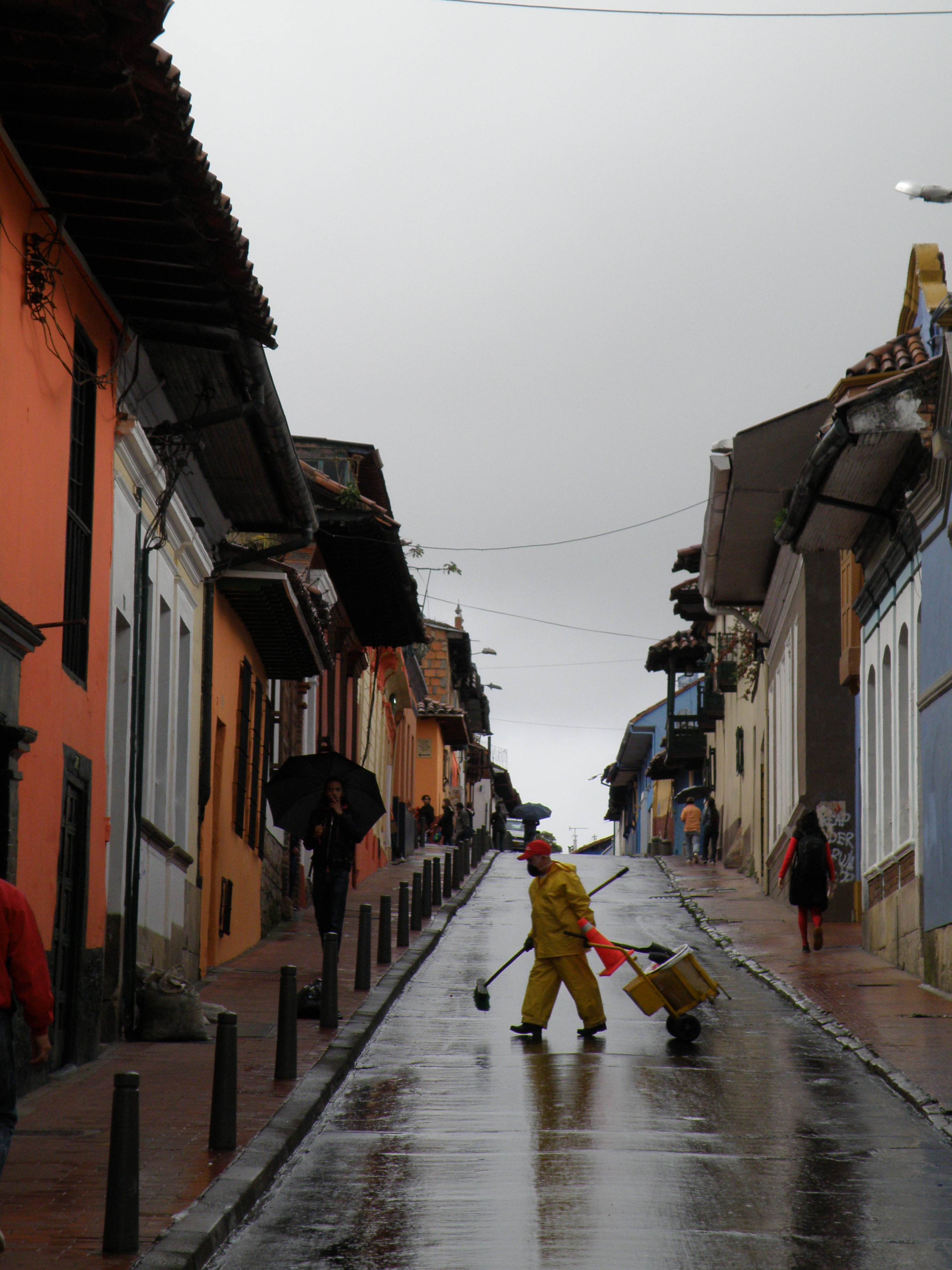
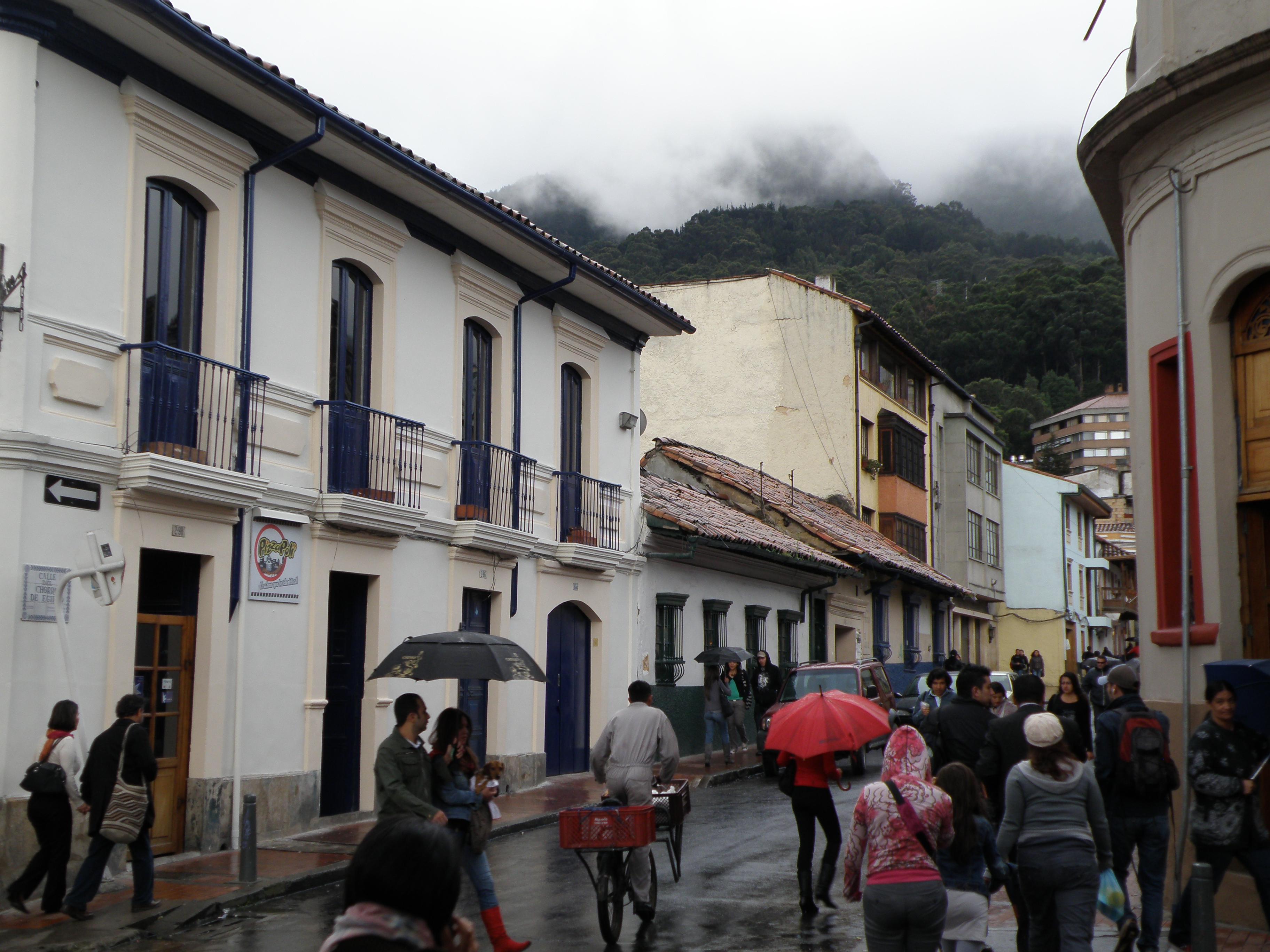
The overcast skies poured a persistent rain and blew a cool breeze over the town. The streets were particularly noisy as the wet road surface made vehicle volumes and tyre grips sound sharper and intrusive. The noise came piercing through open fronted cafes and shops. It felt more like an autumnal day in Manchester. Bogota, at an altitude of 2,600 metres, looked even less picturesque with rain but a plan B ensured my camera came in handy.
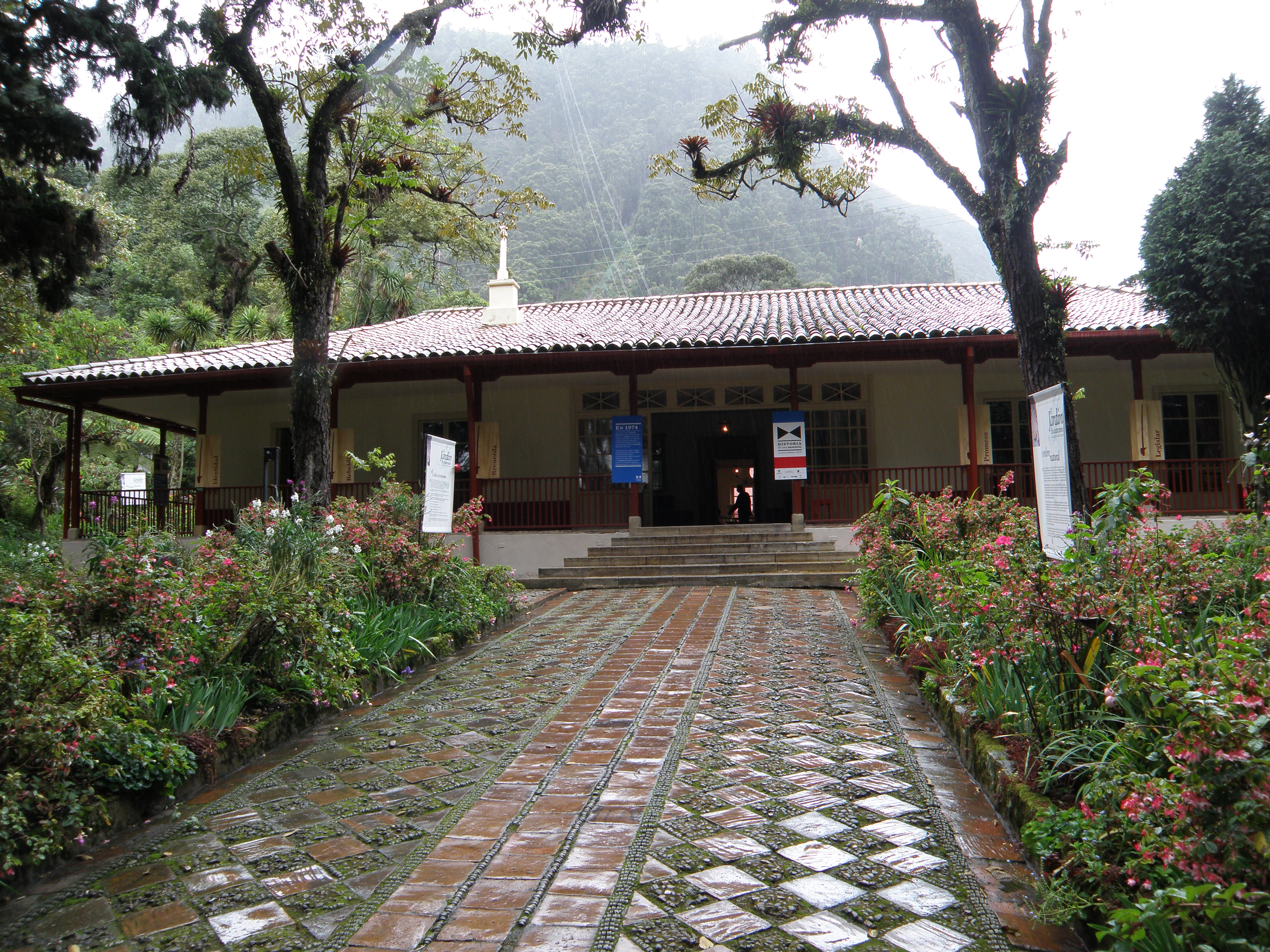
I planned to walk up the steep streets to the cable car and funicular to Cerro de Monserrate. However, the descending cloud, shrouded over the hills, put paid to any visions of a clear Bogota vista. Instead, I settled on a visit to Quinta de Bolivar, a large country house donated to Simon Bolivar as a token of thanks for his independence campaigns during the early 1800s. The preservation of how the dining rooms and study looked like more than 200 years ago provided an insight into the quality of life enjoyed there in those times. It was a nice retreat nestled within large grounds. Huge, dark trees lent a splendid atmosphere even as the rain became heavier, and the wind blew stronger.
The sky to the west looked clearer as I later toured the elevated streets of La Candelaria. I took a few more photographs of the brooding, metallic looking scenes. I visited a Ley supermarket and splashed out on a cheese and ham sandwich, cake, and cans of Aguila beer emblazoned with World Cup memories. I was looking forward to Medellin and spent a relaxed evening in my own rather isolated yet fulfilling sense of time. I played some guitar and tackled the first few pages of Niall Ferguson’s The Ascent of Money: A Financial History of the World. I immediately spotted the book in the Hotel Aragon’s reception when I first arrived. From making sense of the first chapter, it seemed a captivating read.

 Reading English, Hearing Spanish